
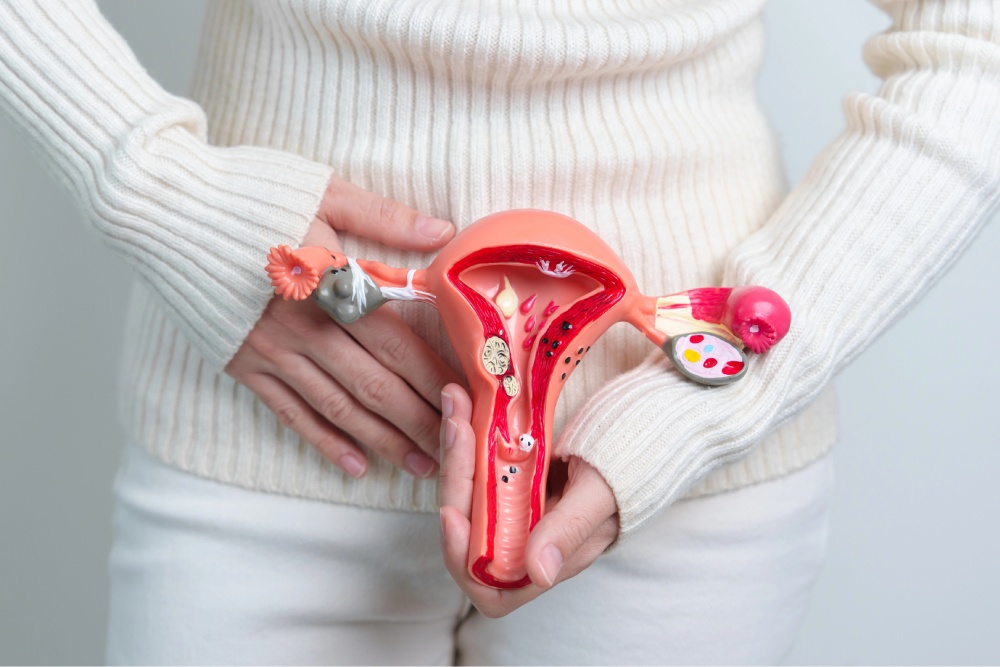
Surgical Solutions: Exploring Hysterectomy As A PCOS Treatment
Polycystic Ovary Syndrome affects millions of women worldwide, often bringing challenges like irregular periods, hormonal...
Read MoreHeavy menstrual bleeding affects millions of women every year, often disrupting daily life and emotional well-being. When medication or hormone therapy does not help, an endometrial ablation procedure may be recommended. This minimally invasive option removes or destroys the uterine lining to reduce or stop bleeding.
Understanding the different types of endometrial ablation helps you make informed choices about your treatment and recovery.
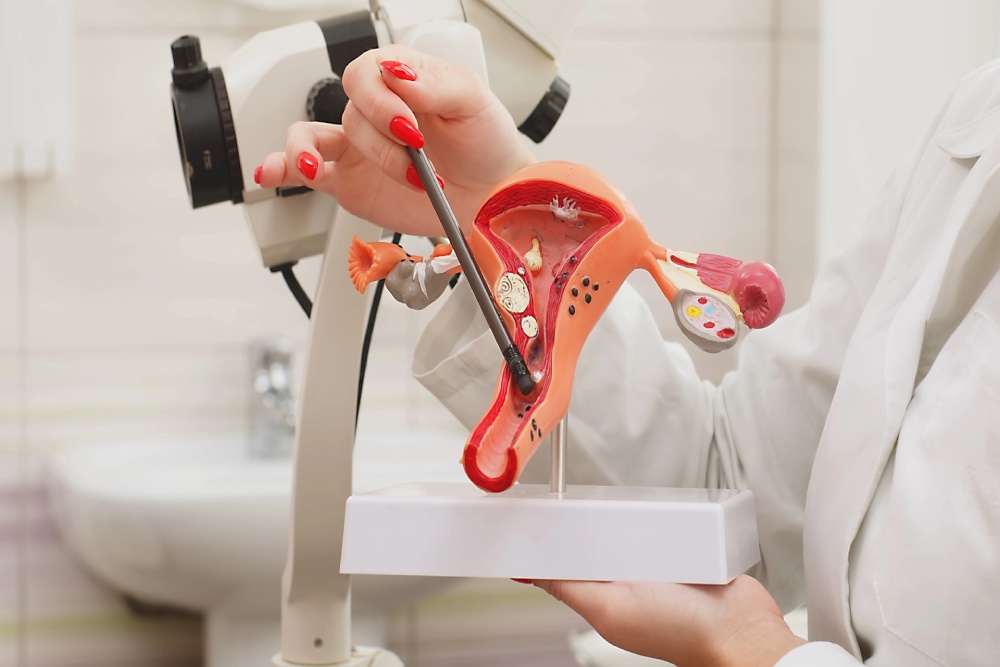
An endometrial ablation is a treatment designed to remove the thin layer of tissue inside the uterus called the endometrium. The procedure targets the cells that build up and shed during each menstrual cycle. When this tissue is removed or destroyed, menstrual bleeding is greatly reduced or sometimes stops completely.
This treatment is often recommended for women who experience heavy, prolonged, or irregular periods and have not found relief through medication. It is most effective for women who are done having children, as pregnancy after ablation can be risky and is not advised.
An endometrial ablation procedure is typically performed in an outpatient setting. It does not require an incision, and most women return to normal activities within a few days. Depending on the method used, your healthcare provider may apply energy in the form of heat, cold, or electrical current to treat the uterine lining.
Endometrial ablation is intended for women who struggle with abnormal or heavy menstrual bleeding that affects their quality of life. It may be a suitable option when:
It is important to have a full evaluation before scheduling the procedure. A specialist will likely perform an ultrasound or hysteroscopy to assess the uterus and rule out other conditions. Discussing your symptoms with an Ablation Specialist can help determine if this approach is right for your health and future plans.
Each endometrial ablation procedure uses a different method to remove or destroy the uterine lining. The goal is to stop excessive bleeding by preventing the regrowth of the endometrial tissue. Most techniques use controlled energy sources that target only the inner uterine layer without affecting surrounding structures.
The process usually involves the following steps:
The entire procedure typically lasts less than 30 minutes. Mild cramping or watery discharge may occur afterward, but most women resume regular activities within one to two days.
There are several types of endometrial ablation procedures, each using a unique technology to target the uterine lining. Your doctor will recommend one based on your medical history, uterine size, and personal preference.
Let us look at five commonly used techniques in modern gynecology.
Radiofrequency ablation uses a slender, flexible device that emits controlled electrical energy in the form of heat. The heat quickly vaporizes the endometrial tissue, covering a wide surface area inside the uterus.
This approach is efficient and often completed in a few minutes. It is performed in-office or in an outpatient surgical center. Recovery is fast, and many women experience lighter or no periods afterward.
Radiofrequency ablation is widely chosen for its precision and minimal discomfort. It works best for women whose uterus is of regular shape and size, without significant fibroids or abnormalities.
In this method, a thin catheter with a small balloon at the end is inserted into the uterus. Once in place, the balloon is filled with heated fluid that destroys the endometrial lining through thermal energy.
The temperature and pressure inside the balloon are carefully controlled, allowing the heat to reach every part of the uterine cavity evenly. The entire process usually takes about 8–10 minutes.
Thermal balloon ablation is valued for its safety and uniform treatment. It is an excellent choice for women with normal uterine anatomy and those seeking a quick, outpatient procedure with minimal recovery time.
Cryoablation, also known as cryotherapy, works by freezing the endometrial tissue instead of heating it. During the procedure, a thin probe is inserted into the uterus and releases extremely cold temperatures to destroy the lining.
The device creates controlled ice formations that reach specific depths of the uterine wall. These ice balls kill the targeted cells while keeping surrounding tissues intact. Once complete, the frozen tissue thaws and naturally passes out of the body over time.
Cryoablation is known for its gentle approach and minimal discomfort during and after treatment. It may take slightly longer than heat-based methods but has the advantage of fewer side effects such as cramping or discharge.
Microwave endometrial ablation uses electromagnetic waves to heat and destroy the uterine lining. A slender probe delivers these microwaves directly into the uterus, causing the endometrial tissue to vaporize.
The heat spreads evenly, reaching a precise depth for consistent results. The entire process typically takes less than five minutes. This method is effective for women who prefer a quick, reliable option with a short recovery period.
Microwave energy ablation has a high success rate in reducing heavy menstrual bleeding and is suitable for patients who have not responded to medication or hormone-based treatments.
Hydrothermal ablation relies on heated saline fluid to remove the endometrial lining. A small hysteroscope is inserted into the uterus, allowing the specialist to view the area while circulating the warm saline. The heat gently destroys the endometrial tissue within minutes.
This technique is particularly useful for women with irregularly shaped uterine cavities or small fibroids that make other ablation methods less effective. The hysteroscopic guidance helps the physician monitor the treatment in real time for safety and precision.
Recovery after hydrothermal ablation is usually smooth, with minimal discomfort and a quick return to daily routines. It is one of the most adaptable endometrial ablation procedures, providing effective results across various uterine conditions.
Every endometrial ablation procedure aims to reduce or stop heavy menstrual bleeding while preserving the uterus. For many women, the results are transformative, offering freedom from discomfort and the disruption of prolonged periods.
Still, it is important to understand the benefits before deciding which treatment is right for you.
The most significant benefit of endometrial ablation is lighter or absent menstrual bleeding. Many women experience a dramatic reduction in flow within weeks, while some stop bleeding entirely. This change can bring relief after years of managing heavy, unpredictable cycles that interfere with work, travel, and daily comfort.
Reduced bleeding also lowers the risk of anemia and related fatigue, helping patients regain their physical energy and emotional balance.
By controlling heavy bleeding, women often notice an improvement in mood, productivity, and confidence. Daily routines become easier to manage without constant worry about leaks or pain. Sleep, energy levels, and social participation also improve significantly. Women who previously avoided certain activities due to heavy periods often find renewed freedom after treatment.
Most endometrial ablation procedures are quick, outpatient treatments performed without major surgery. Techniques such as radiofrequency, cryotherapy, and thermal balloon ablation use specialized instruments designed for safety and precision.
Because no large incisions are made, recovery is typically faster and gentler than traditional surgical options. Patients often return home the same day, making ablation a convenient choice for women with busy schedules who prefer a simple, effective alternative to hysterectomy.
Another major advantage of this procedure is the short recovery period. Most women resume normal activities within a day or two, with only mild cramping or discharge during initial healing. This allows minimal disruption to work and family responsibilities.
Follow-up visits are usually brief, and long-term results often appear within one to two months. Compared to invasive surgery, the downtime is significantly reduced, giving women the chance to regain comfort and confidence almost immediately.
Unlike hysterectomy, which removes the uterus completely, endometrial ablation preserves the organ. This allows the body to maintain its natural structure and hormonal balance. Many women appreciate that they can relieve symptoms of heavy bleeding without losing their uterus.
Retaining the uterus also supports a smoother recovery process and fewer long-term complications. Although pregnancy after ablation is unsafe, many women find this approach a balanced option that supports both health and well-being.
Selecting the best method depends on your health history, uterine anatomy, and the severity of your bleeding. Each type offers unique advantages in treatment time, comfort, and recovery.
Before deciding, your specialist will evaluate your uterus and discuss your medical background in detail. Some women may undergo pre-procedure tests such as an ultrasound, pregnancy test, or biopsy to confirm eligibility.
If heavy bleeding occurs alongside hormonal changes or perimenopause symptoms, consulting a menopause specialist can also be helpful. They can assess hormone-related factors that may contribute to your condition and guide your treatment plan holistically.
At The Women’s Center, we take time to understand your needs and help you choose the safest, most effective approach for lasting relief.
We focus on compassionate care and personalized treatment so you can move forward with comfort and confidence.
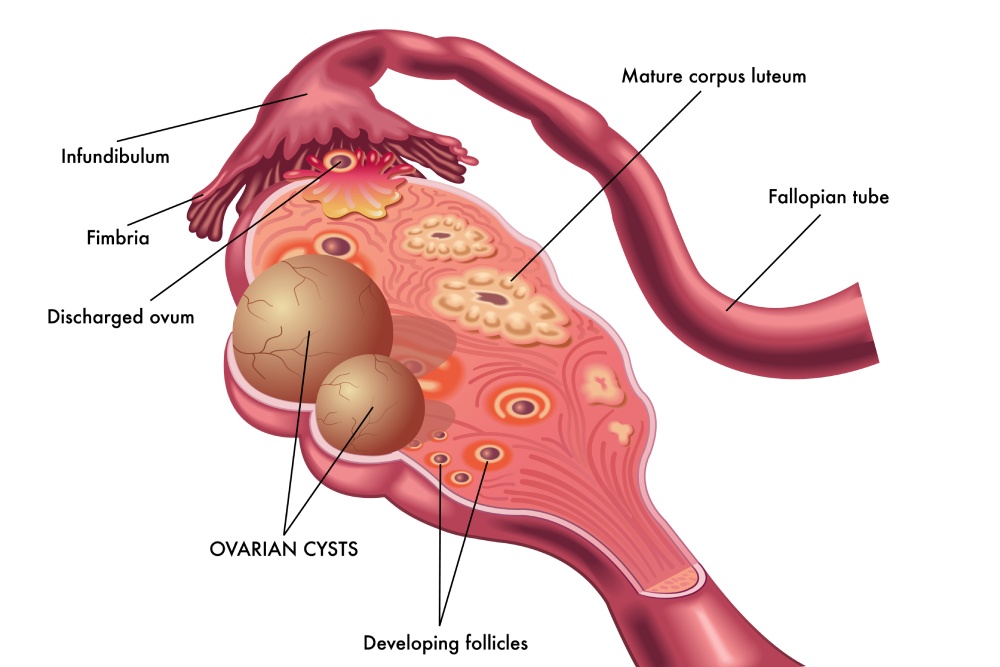

Polycystic Ovary Syndrome affects millions of women worldwide, often bringing challenges like irregular periods, hormonal...
Read More
Ovarian cysts after menopause may seem uncommon, but they can still develop even when the...
Read More
Uterine fibroids are one of the most common benign growths affecting women. By age 50,...
Read More