
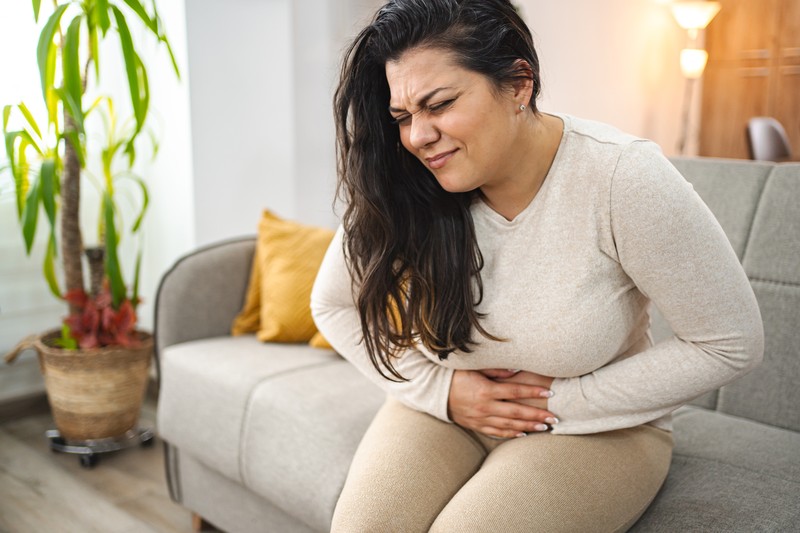
The question of can you get pregnant with endometriosis touches the lives of many women. Endometriosis, a condition comprising tissue comparable to the interior lining of the uterus grows outside of it, often leads to fears about fertility. While it can present hurdles on the path to pregnancy, many women with endometriosis do successfully conceive, although they may navigate a more challenging journey to parenthood.

At The Women’s Center, we understand the complexities of trying to conceive with a diagnosis of endometriosis. That’s why our endometriosis specialist in Orlando approaches your care with empathy and expertise. We tailor our fertility treatments to work with your body’s unique situation, employing cutting-edge medical interventions and personalized support, to enhance your chances of a successful pregnancy.
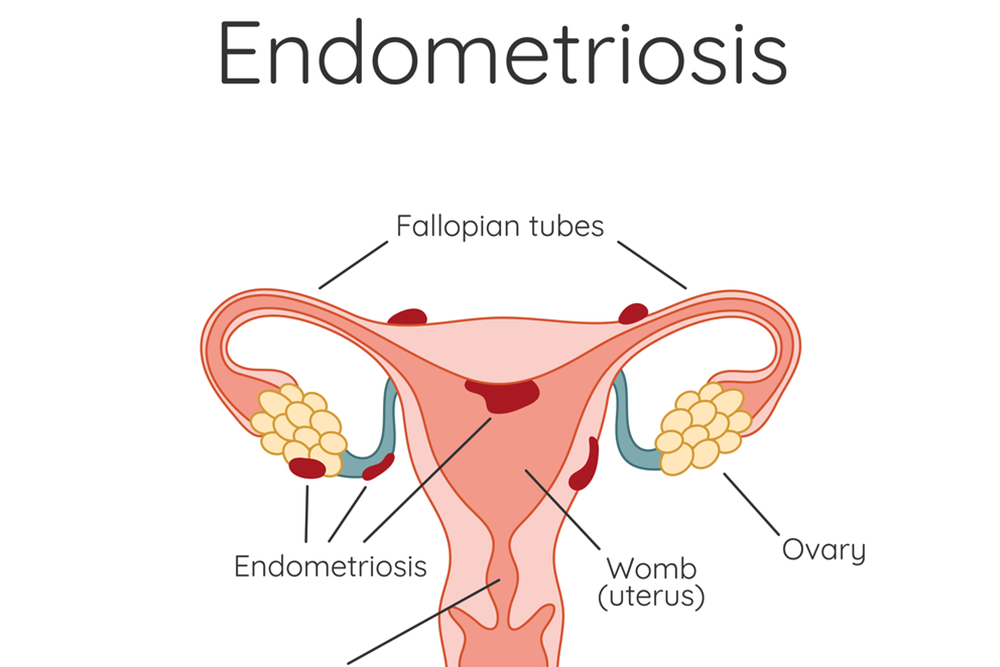
Can You Get Pregnant With Endometriosis?

Pregnancy Is Possible for Some Women Diagnosed with Endometriosis

The conundrum of conceiving with endometriosis is as complex as the condition itself, arrayed with a multitude of factors that play into fertility. Many women carrying the weight of this diagnosis find solace in the fact that their dream of motherhood may still be within reach. Fertility may be hampered, as endometrial tissue can disrupt the meticulous orchestration of the reproductive system, causing inflammation and scarring that might impede the journey of the egg or sperm.

Nonetheless, conception remains a tangible prospect for those with mild to moderate manifestations of the condition. With comprehensive support from dedicated healthcare providers, women can explore various avenues to alleviate the symptoms that may be hindering conception, guiding them closer to achieving pregnancy.

The pursuit of pregnancy for women with endometriosis often begins with an open and honest consultation with a healthcare provider well-versed in the condition's nuances, ready to offer a medley of interventions ranging from medication to lifestyle adjustments. These professionals serve as navigators through the choppy waters of reproductive challenges, charting a course that enhances the likelihood of conception. By crafting individualized care plans and monitoring progress meticulously, women can find solace in the knowledge that their health and their aspirations are being honored and addressed with utmost care.

Endometriosis Can Reduce Fertility but Doesn't Always Prevent Pregnancy

The narrative of endometriosis and fertility is not solely one of despair; it is punctuated with stories of tenacity and success. The condition may cast a shadow on fertility rates, with some forced to grapple with the harsher realities of blocked fallopian tubes or compromised ovarian function, yet a complete impediment to pregnancy it is not.

For every fallopian passage obstructed, there lies a spectrum of fertility potential that varies as widely as the symptoms of the condition itself. Fostering an understanding of one's body through methods such as fertility tracking and hormonal assessments, women can unearth insights into their personal fertility landscape, illuminating paths to pregnancy that may have otherwise remained in the dark.

A comprehensive approach to managing one's reproductive health is pivotal in mitigating the impact of endometriosis on fertility, encompassing both medical attention and resolute personal determination. Women are often surprised to find that surgical interventions, while daunting, have the potential to clear the way for pregnancy, removing barriers posed by the errant tissue. A diligent follow-up with healthcare specialists can ensure that recovery is on track and fertility potential is maximized, providing a robust foundation for attempting conception.

Fertility Treatments Often Improve Pregnancy Chances for Endometriosis Patients

For many women facing the trials of endometriosis, it is the advent of fertility treatments that heralds a new chapter in their reproductive story. Assisted reproductive technologies, such as in vitro fertilization, offer a ray of hope, unlocking doors to motherhood that seemed insurmountable.

IVF circumvents the anatomical impediments of endometriosis, creating an environment in which the egg and sperm can unite unencumbered by the ailment's complications. Prior to embarking on fertility treatments, the surgical removal of problematic endometrial tissue can improve the odds, setting the stage for a more successful conception attempt.

Engaging with a fertility specialist, one seasoned in the subtleties of reproductive care, is a critical step in enhancing pregnancy outcomes for those with endometriosis. Such experts not only bring a wealth of knowledge but also a compassionate understanding of the emotional rollercoaster many patients experience. They are prepared to tailor treatment regimes, combining the latest advancements in medical science with a personal touch, aiming for the best possible result—a successful pregnancy.

As women tread the path to parenthood, these specialized treatments serve as beacons of hope, signifying that even amidst the challenges of endometriosis, the dream of pregnancy is far from unattainable.

Achieving Dreams Despite Endometriosis Challenges

Our commitment to supporting women doesn’t end at diagnosis. The Women’s Center is dedicated to helping you overcome the challenges of endometriosis and move closer to fulfilling your dream of becoming a parent. Through a combination of advanced reproductive technologies and holistic care frameworks, we strive to provide not just treatments, but hope and empowerment for every woman walking through our doors.

At The Women’s Center, we prioritize your overall well-being, offering comprehensive services including obstetrics, gynecology, and medical aesthetics. Since 2001, we’ve stood by the women of Central Florida as their trusted family health partner, with our doors open across 9 convenient locations.
Our Other Blogs

Surgical Solutions: Exploring Hysterectomy As A PCOS Treatment

Surgical Solutions: Exploring Hysterectomy As A PCOS Treatment

Read More...
Get To Know About Ovarian Cysts After Menopause

Get To Know About Ovarian Cysts After Menopause

Read More...
Uterine fibroids are one of the most common benign growths affecting women. By age 50, nearly80% of women will develop them at some point in life. These muscular tumors may cause heavy bleeding, pelvic discomfort, and bloating before menopause. But what happens when your periods stop?  Understanding fibroids after menopause helps you know what changes to expect, when to seek help, and how to manage lingering symptoms that may still affect your comfort and well-being. Understanding Uterine Fibroids Uterine fibroids are noncancerous tumors that grow within or on the uterus. They are composed of smooth muscle and fibrous connective tissue, often varying in size and number. Some fibroids are as small as a seed, while others can grow large enough to distort the uterus. Though fibroids are not life-threatening, they can significantly impact a woman’s quality of life before menopause. During the reproductive years, fibroids develop due to hormonal stimulation. Estrogen and progesterone encourage the uterine lining to grow each month. The same hormones also stimulate fibroid growth. That is why most fibroids grow larger during a woman’s childbearing years and tend to shrink after menopause when hormone production decreases. Fibroids are categorized based on their location: Intramural fibroids grow within the muscular wall of the uterus. Submucosal fibroids project into the uterine cavity and often cause heavy bleeding. Subserosal fibroids form on the outer surface of the uterus, sometimes pressing against nearby organs. Each type can create different symptoms and complications depending on its size and placement. Common Symptoms Before Menopause Before menopause, fibroids may cause a range of symptoms depending on their size and location. Some women experience no issues at all, while others struggle with symptoms that disrupt daily activities. Common signs include: Heavy or prolonged menstrual bleeding Pelvic pain or pressure Frequent urination or difficulty emptying the bladder Constipation or bloating Pain during sexual intercourse Lower back pain or leg pain A visibly enlarged abdomen These symptoms often improve once menopause begins because of declining hormone levels. However, in some cases, symptoms may persist or return even after menstrual cycles end. The Hormonal Connection Hormones play a vital role in fibroid development and growth. Estrogen and progesterone promote the thickening of the uterine lining and can also trigger fibroid enlargement. During a woman’s reproductive years, these hormones fluctuate each month, leading to changes in fibroid size and activity. When menopause approaches, the ovaries gradually slow hormone production. This transition period, known as perimenopause, can last several years. Hormone levels fluctuate, which may temporarily worsen symptoms like bleeding or bloating before eventually stabilizing. Once full menopause begins (defined as 12 consecutive months without a menstrual period), estrogen and progesterone levels drop significantly, often leading to fibroid shrinkage. However, hormonal balance after menopause is not identical for every woman. Body weight, genetics, and lifestyle can influence how much estrogen remains in circulation. Fat cells, for example, can continue producing small amounts of estrogen, which may keep fibroids active in some women even after menopause. How Hormones Shift During Menopause Menopause marks a significant hormonal shift in a woman’s body. The ovaries stop releasing eggs, and the regular menstrual cycle comes to an end. The most noticeable change is the reduction in estrogen and progesterone, hormones that once regulated ovulation and menstruation. These hormonal changes affect many systems in the body, including the bones, skin, metabolism, and reproductive tract. For fibroids, the decline in hormones usually means less stimulation for growth. As a result, many fibroids shrink naturally, and related symptoms such as heavy bleeding often subside. For some women, though, the body continues to produce small traces of estrogen. This is particularly true in women who are overweight, since fat tissue can convert other hormones into estrogen. That remaining hormone activity can occasionally sustain fibroid growth, even after menopause. What Happens to Fibroids After Menopause After menopause, most fibroids become smaller and inactive. The reduction in estrogen and progesterone slows their growth, often leading to significant symptom relief. Many women notice that pelvic pressure decreases, bloating reduces, and menstrual-type pain fades.  However, not all fibroids disappear completely, and a small percentage of women may still develop or notice uterine fibroids after menopause. Natural Shrinkage and Symptom Relief When hormone levels decline, fibroid tissue often loses its ability to grow. Without hormonal stimulation, fibroids tend to shrink over time. This natural regression explains why symptoms such as heavy menstrual bleeding or period-related pain usually stop after menopause. The uterus itself also becomes smaller, which can make existing fibroids less noticeable. In many cases, fibroids that were once problematic become dormant. This is why doctors often recommend a watch-and-wait approach once menopause begins. If symptoms fade and fibroids stop growing, no further treatment is necessary. Persistence of Existing Fibroids While most fibroids shrink, some may remain unchanged in size or cause lingering discomfort. Women who had large or multiple fibroids before menopause may still feel pelvic fullness or urinary pressure. This does not necessarily mean new fibroids are forming; rather, existing ones may simply take longer to shrink. Some women also experience mild abdominal distension or back pain even after periods stop. These sensations can result from fibroids pressing on nearby organs or nerves. In such cases, monitoring and symptom-based management are usually recommended. Can Fibroids Develop After Menopause? Although rare, new fibroids can appear after menopause. When this happens, the main factors often involve residual hormone activity or external hormone sources. For example, hormone replacement therapy (HRT), sometimes prescribed to manage hot flashes or vaginal dryness, can stimulate fibroid growth in sensitive women. Additionally, estrogen produced by fat tissue can contribute to small fibroid formation. While these fibroids are usually small and asymptomatic, they still require evaluation to rule out other health concerns. Any new pelvic mass or unexpected bleeding after menopause should always be checked by a fibroids specialist to determine the exact cause. Recognizing Fibroids Symptoms After Menopause Even though fibroids tend to shrink, some symptoms can persist. Common fibroids symptoms after menopause include: A sensation of pelvic fullness or heaviness Increased urinary frequency Occasional abdominal swelling Lower back discomfort Light spotting or discharge (though uncommon) It is important to note that postmenopausal bleeding is not typical. Any bleeding or spotting after menopause warrants prompt medical evaluation. While fibroids can cause bleeding, other conditions such as endometrial polyps, uterine thickening, or cancer may present with similar symptoms.  When Hormones Continue to Influence Fibroids Some women experience postmenopausal fibroid activity due to lingering hormone production. The body does not shut off estrogen overnight. Instead, low levels may continue circulating, especially in women with higher body fat or those on HRT. These low hormone levels may keep fibroids stable or slightly active for years. If hormone therapy is necessary for managing menopause symptoms, doctors may adjust dosage or monitor fibroids closely. In many cases, small fibroids remain harmless, but periodic imaging helps track any changes in size or behavior. For women struggling with discomfort related to uterine fibroids after menopause, care from a menopause specialist can make a difference. An experienced provider can balance symptom management with safe hormone therapy options tailored to your health profile. Diagnosing Fibroids After Menopause Diagnosing fibroids after menopause begins with a detailed discussion about symptoms, medical history, and physical changes. Since fibroid-related symptoms can resemble other conditions, accurate diagnosis helps rule out serious causes and guides appropriate treatment. Your healthcare provider will likely start with a pelvic examination to feel for any irregularities or enlargement of the uterus. If the uterus feels firm or asymmetrical, it may indicate the presence of fibroids.  However, physical exams alone cannot confirm the diagnosis. Imaging and laboratory tests are often required to determine the type, size, and location of the fibroid and to check for any underlying complications. Imaging Tests The most common and noninvasive test for identifying uterine fibroids is ultrasound. Two types are often used: Transvaginal ultrasound, in which a small probe is inserted into the vagina to produce clear images of the uterus. Abdominal ultrasound, in which a device is moved across the lower abdomen to capture a broader view. Ultrasound imaging helps determine whether the growths are fibroids or another type of mass. It can also show if fibroids have calcified, which often happens after menopause as blood flow to the uterus decreases. If ultrasound results are unclear, additional imaging tests may include: Magnetic Resonance Imaging (MRI) for more detailed visualization of uterine structures. CT scan if other pelvic abnormalities are suspected. Sonohysterography, a specialized ultrasound that uses saline to improve visibility inside the uterine cavity. Laboratory Tests If postmenopausal bleeding occurs, your doctor may order blood tests to evaluate hormone levels and rule out other causes. A CA-125 test might be performed to check for elevated protein levels associated with certain cancers, though benign conditions can also raise this marker. An endometrial biopsy may be recommended if abnormal bleeding is present. This test helps rule out endometrial hyperplasia or cancer by sampling cells from the uterine lining. Differentiating Fibroids From Other Conditions Because fibroid symptoms overlap with other gynecologic issues, distinguishing between them is essential. Common conditions that can mimic fibroids include: Ovarian cysts, which can cause pelvic pain and bloating. Adenomyosis, where endometrial tissue grows into the uterine wall. Endometrial polyps, which may cause postmenopausal bleeding. Uterine or ovarian cancer, which can present as a pelvic mass or bleeding. A skilled gynecologist or fibroids specialist uses a combination of imaging, clinical evaluation, and lab results to confirm diagnosis and rule out more serious diseases. Treatment Options for Fibroids After Menopause Treatment for uterine fibroids after menopause depends on the severity of symptoms, size of the fibroids, and any associated health risks. In many women, fibroids shrink naturally and no intervention is needed. However, when pain, pressure, or bleeding persists, treatment options range from medication to minimally invasive procedures or surgery. Watchful Waiting For most women, fibroids shrink naturally after menopause due to declining hormone levels. In such cases, a watchful waiting approach may be advised. This involves regular follow-up visits, pelvic exams, and ultrasounds to monitor changes in fibroid size or symptom progression. This approach is best suited for women who are not experiencing significant discomfort or complications. Monitoring helps detect any unexpected growth or new mass formation early. Medication Management Even after menopause, mild fibroid-related symptoms like pelvic pain or urinary frequency can interfere with daily comfort. In such cases, medications may help manage specific symptoms. Pain relievers such as acetaminophen or nonsteroidal anti-inflammatory drugs (NSAIDs) can ease discomfort. Hormone therapy, particularly low-dose estrogen or progesterone in hormone replacement therapy (HRT), may be used cautiously. However, this therapy can sometimes reactivate fibroid growth, so it requires close supervision by a menopause specialist. Gonadotropin-releasing hormone (GnRH) agonists can temporarily reduce fibroid size by suppressing hormone production. These are used selectively, as they can cause menopausal side effects like hot flashes or bone loss. Non-Surgical Procedures For women who continue to experience pain or pressure from fibroids, non-surgical options may offer relief without removing the uterus. Uterine artery embolization (UAE): This minimally invasive procedure cuts off blood supply to the fibroids, causing them to shrink over time. It can be an effective solution for persistent fibroids that do not respond to hormone changes. MRI-guided focused ultrasound surgery (FUS): This outpatient procedure uses high-intensity ultrasound waves to heat and destroy fibroid tissue. It does not require incisions and has minimal recovery time. Surgical Treatments When symptoms are severe, or when fibroids cause ongoing bleeding or pressure, surgical intervention may be considered. Common surgical treatments include: Myomectomy, which removes fibroids while preserving the uterus. It is less common after menopause but may be used for symptomatic women who prefer to keep their uterus. Hysterectomy, the complete removal of the uterus, is often the definitive solution for recurrent or large fibroids. It eliminates the possibility of fibroid regrowth but also ends the capacity for pregnancy. Oophorectomy, or removal of the ovaries, may be done alongside hysterectomy if there is a risk of ovarian cancer or ongoing hormone-related symptoms. Your Next Step Toward Relief Here at The Women’s Center, we are dedicated to helping women navigate changes that come with menopause. Our specialists in fibroid and hormone management offer comprehensive evaluation and personalized treatment designed around your comfort and long-term health. From advanced imaging to minimally invasive procedures, we focus on restoring your confidence and quality of life. If you are experiencing symptoms related to fibroids after menopause, schedule a consultation with our caring providers today.

Fibroids After Menopause: Development And Treatment

Read More...

Latest Blogs

Surgical Solutions: Exploring Hysterectomy As A PCOS Treatment

Surgical Solutions: Exploring Hysterectomy As A PCOS Treatment

Polycystic Ovary Syndrome affects millions of women worldwide, often bringing challenges like irregular periods, hormonal...

Read More
Get To Know About Ovarian Cysts After Menopause

Get To Know About Ovarian Cysts After Menopause

Ovarian cysts after menopause may seem uncommon, but they can still develop even when the...

Read More
Uterine fibroids are one of the most common benign growths affecting women. By age 50, nearly80% of women will develop them at some point in life. These muscular tumors may cause heavy bleeding, pelvic discomfort, and bloating before menopause. But what happens when your periods stop?  Understanding fibroids after menopause helps you know what changes to expect, when to seek help, and how to manage lingering symptoms that may still affect your comfort and well-being. Understanding Uterine Fibroids Uterine fibroids are noncancerous tumors that grow within or on the uterus. They are composed of smooth muscle and fibrous connective tissue, often varying in size and number. Some fibroids are as small as a seed, while others can grow large enough to distort the uterus. Though fibroids are not life-threatening, they can significantly impact a woman’s quality of life before menopause. During the reproductive years, fibroids develop due to hormonal stimulation. Estrogen and progesterone encourage the uterine lining to grow each month. The same hormones also stimulate fibroid growth. That is why most fibroids grow larger during a woman’s childbearing years and tend to shrink after menopause when hormone production decreases. Fibroids are categorized based on their location: Intramural fibroids grow within the muscular wall of the uterus. Submucosal fibroids project into the uterine cavity and often cause heavy bleeding. Subserosal fibroids form on the outer surface of the uterus, sometimes pressing against nearby organs. Each type can create different symptoms and complications depending on its size and placement. Common Symptoms Before Menopause Before menopause, fibroids may cause a range of symptoms depending on their size and location. Some women experience no issues at all, while others struggle with symptoms that disrupt daily activities. Common signs include: Heavy or prolonged menstrual bleeding Pelvic pain or pressure Frequent urination or difficulty emptying the bladder Constipation or bloating Pain during sexual intercourse Lower back pain or leg pain A visibly enlarged abdomen These symptoms often improve once menopause begins because of declining hormone levels. However, in some cases, symptoms may persist or return even after menstrual cycles end. The Hormonal Connection Hormones play a vital role in fibroid development and growth. Estrogen and progesterone promote the thickening of the uterine lining and can also trigger fibroid enlargement. During a woman’s reproductive years, these hormones fluctuate each month, leading to changes in fibroid size and activity. When menopause approaches, the ovaries gradually slow hormone production. This transition period, known as perimenopause, can last several years. Hormone levels fluctuate, which may temporarily worsen symptoms like bleeding or bloating before eventually stabilizing. Once full menopause begins (defined as 12 consecutive months without a menstrual period), estrogen and progesterone levels drop significantly, often leading to fibroid shrinkage. However, hormonal balance after menopause is not identical for every woman. Body weight, genetics, and lifestyle can influence how much estrogen remains in circulation. Fat cells, for example, can continue producing small amounts of estrogen, which may keep fibroids active in some women even after menopause. How Hormones Shift During Menopause Menopause marks a significant hormonal shift in a woman’s body. The ovaries stop releasing eggs, and the regular menstrual cycle comes to an end. The most noticeable change is the reduction in estrogen and progesterone, hormones that once regulated ovulation and menstruation. These hormonal changes affect many systems in the body, including the bones, skin, metabolism, and reproductive tract. For fibroids, the decline in hormones usually means less stimulation for growth. As a result, many fibroids shrink naturally, and related symptoms such as heavy bleeding often subside. For some women, though, the body continues to produce small traces of estrogen. This is particularly true in women who are overweight, since fat tissue can convert other hormones into estrogen. That remaining hormone activity can occasionally sustain fibroid growth, even after menopause. What Happens to Fibroids After Menopause After menopause, most fibroids become smaller and inactive. The reduction in estrogen and progesterone slows their growth, often leading to significant symptom relief. Many women notice that pelvic pressure decreases, bloating reduces, and menstrual-type pain fades.  However, not all fibroids disappear completely, and a small percentage of women may still develop or notice uterine fibroids after menopause. Natural Shrinkage and Symptom Relief When hormone levels decline, fibroid tissue often loses its ability to grow. Without hormonal stimulation, fibroids tend to shrink over time. This natural regression explains why symptoms such as heavy menstrual bleeding or period-related pain usually stop after menopause. The uterus itself also becomes smaller, which can make existing fibroids less noticeable. In many cases, fibroids that were once problematic become dormant. This is why doctors often recommend a watch-and-wait approach once menopause begins. If symptoms fade and fibroids stop growing, no further treatment is necessary. Persistence of Existing Fibroids While most fibroids shrink, some may remain unchanged in size or cause lingering discomfort. Women who had large or multiple fibroids before menopause may still feel pelvic fullness or urinary pressure. This does not necessarily mean new fibroids are forming; rather, existing ones may simply take longer to shrink. Some women also experience mild abdominal distension or back pain even after periods stop. These sensations can result from fibroids pressing on nearby organs or nerves. In such cases, monitoring and symptom-based management are usually recommended. Can Fibroids Develop After Menopause? Although rare, new fibroids can appear after menopause. When this happens, the main factors often involve residual hormone activity or external hormone sources. For example, hormone replacement therapy (HRT), sometimes prescribed to manage hot flashes or vaginal dryness, can stimulate fibroid growth in sensitive women. Additionally, estrogen produced by fat tissue can contribute to small fibroid formation. While these fibroids are usually small and asymptomatic, they still require evaluation to rule out other health concerns. Any new pelvic mass or unexpected bleeding after menopause should always be checked by a fibroids specialist to determine the exact cause. Recognizing Fibroids Symptoms After Menopause Even though fibroids tend to shrink, some symptoms can persist. Common fibroids symptoms after menopause include: A sensation of pelvic fullness or heaviness Increased urinary frequency Occasional abdominal swelling Lower back discomfort Light spotting or discharge (though uncommon) It is important to note that postmenopausal bleeding is not typical. Any bleeding or spotting after menopause warrants prompt medical evaluation. While fibroids can cause bleeding, other conditions such as endometrial polyps, uterine thickening, or cancer may present with similar symptoms.  When Hormones Continue to Influence Fibroids Some women experience postmenopausal fibroid activity due to lingering hormone production. The body does not shut off estrogen overnight. Instead, low levels may continue circulating, especially in women with higher body fat or those on HRT. These low hormone levels may keep fibroids stable or slightly active for years. If hormone therapy is necessary for managing menopause symptoms, doctors may adjust dosage or monitor fibroids closely. In many cases, small fibroids remain harmless, but periodic imaging helps track any changes in size or behavior. For women struggling with discomfort related to uterine fibroids after menopause, care from a menopause specialist can make a difference. An experienced provider can balance symptom management with safe hormone therapy options tailored to your health profile. Diagnosing Fibroids After Menopause Diagnosing fibroids after menopause begins with a detailed discussion about symptoms, medical history, and physical changes. Since fibroid-related symptoms can resemble other conditions, accurate diagnosis helps rule out serious causes and guides appropriate treatment. Your healthcare provider will likely start with a pelvic examination to feel for any irregularities or enlargement of the uterus. If the uterus feels firm or asymmetrical, it may indicate the presence of fibroids.  However, physical exams alone cannot confirm the diagnosis. Imaging and laboratory tests are often required to determine the type, size, and location of the fibroid and to check for any underlying complications. Imaging Tests The most common and noninvasive test for identifying uterine fibroids is ultrasound. Two types are often used: Transvaginal ultrasound, in which a small probe is inserted into the vagina to produce clear images of the uterus. Abdominal ultrasound, in which a device is moved across the lower abdomen to capture a broader view. Ultrasound imaging helps determine whether the growths are fibroids or another type of mass. It can also show if fibroids have calcified, which often happens after menopause as blood flow to the uterus decreases. If ultrasound results are unclear, additional imaging tests may include: Magnetic Resonance Imaging (MRI) for more detailed visualization of uterine structures. CT scan if other pelvic abnormalities are suspected. Sonohysterography, a specialized ultrasound that uses saline to improve visibility inside the uterine cavity. Laboratory Tests If postmenopausal bleeding occurs, your doctor may order blood tests to evaluate hormone levels and rule out other causes. A CA-125 test might be performed to check for elevated protein levels associated with certain cancers, though benign conditions can also raise this marker. An endometrial biopsy may be recommended if abnormal bleeding is present. This test helps rule out endometrial hyperplasia or cancer by sampling cells from the uterine lining. Differentiating Fibroids From Other Conditions Because fibroid symptoms overlap with other gynecologic issues, distinguishing between them is essential. Common conditions that can mimic fibroids include: Ovarian cysts, which can cause pelvic pain and bloating. Adenomyosis, where endometrial tissue grows into the uterine wall. Endometrial polyps, which may cause postmenopausal bleeding. Uterine or ovarian cancer, which can present as a pelvic mass or bleeding. A skilled gynecologist or fibroids specialist uses a combination of imaging, clinical evaluation, and lab results to confirm diagnosis and rule out more serious diseases. Treatment Options for Fibroids After Menopause Treatment for uterine fibroids after menopause depends on the severity of symptoms, size of the fibroids, and any associated health risks. In many women, fibroids shrink naturally and no intervention is needed. However, when pain, pressure, or bleeding persists, treatment options range from medication to minimally invasive procedures or surgery. Watchful Waiting For most women, fibroids shrink naturally after menopause due to declining hormone levels. In such cases, a watchful waiting approach may be advised. This involves regular follow-up visits, pelvic exams, and ultrasounds to monitor changes in fibroid size or symptom progression. This approach is best suited for women who are not experiencing significant discomfort or complications. Monitoring helps detect any unexpected growth or new mass formation early. Medication Management Even after menopause, mild fibroid-related symptoms like pelvic pain or urinary frequency can interfere with daily comfort. In such cases, medications may help manage specific symptoms. Pain relievers such as acetaminophen or nonsteroidal anti-inflammatory drugs (NSAIDs) can ease discomfort. Hormone therapy, particularly low-dose estrogen or progesterone in hormone replacement therapy (HRT), may be used cautiously. However, this therapy can sometimes reactivate fibroid growth, so it requires close supervision by a menopause specialist. Gonadotropin-releasing hormone (GnRH) agonists can temporarily reduce fibroid size by suppressing hormone production. These are used selectively, as they can cause menopausal side effects like hot flashes or bone loss. Non-Surgical Procedures For women who continue to experience pain or pressure from fibroids, non-surgical options may offer relief without removing the uterus. Uterine artery embolization (UAE): This minimally invasive procedure cuts off blood supply to the fibroids, causing them to shrink over time. It can be an effective solution for persistent fibroids that do not respond to hormone changes. MRI-guided focused ultrasound surgery (FUS): This outpatient procedure uses high-intensity ultrasound waves to heat and destroy fibroid tissue. It does not require incisions and has minimal recovery time. Surgical Treatments When symptoms are severe, or when fibroids cause ongoing bleeding or pressure, surgical intervention may be considered. Common surgical treatments include: Myomectomy, which removes fibroids while preserving the uterus. It is less common after menopause but may be used for symptomatic women who prefer to keep their uterus. Hysterectomy, the complete removal of the uterus, is often the definitive solution for recurrent or large fibroids. It eliminates the possibility of fibroid regrowth but also ends the capacity for pregnancy. Oophorectomy, or removal of the ovaries, may be done alongside hysterectomy if there is a risk of ovarian cancer or ongoing hormone-related symptoms. Your Next Step Toward Relief Here at The Women’s Center, we are dedicated to helping women navigate changes that come with menopause. Our specialists in fibroid and hormone management offer comprehensive evaluation and personalized treatment designed around your comfort and long-term health. From advanced imaging to minimally invasive procedures, we focus on restoring your confidence and quality of life. If you are experiencing symptoms related to fibroids after menopause, schedule a consultation with our caring providers today.

Fibroids After Menopause: Development And Treatment

Uterine fibroids are one of the most common benign growths affecting women. By age 50,...

Read More