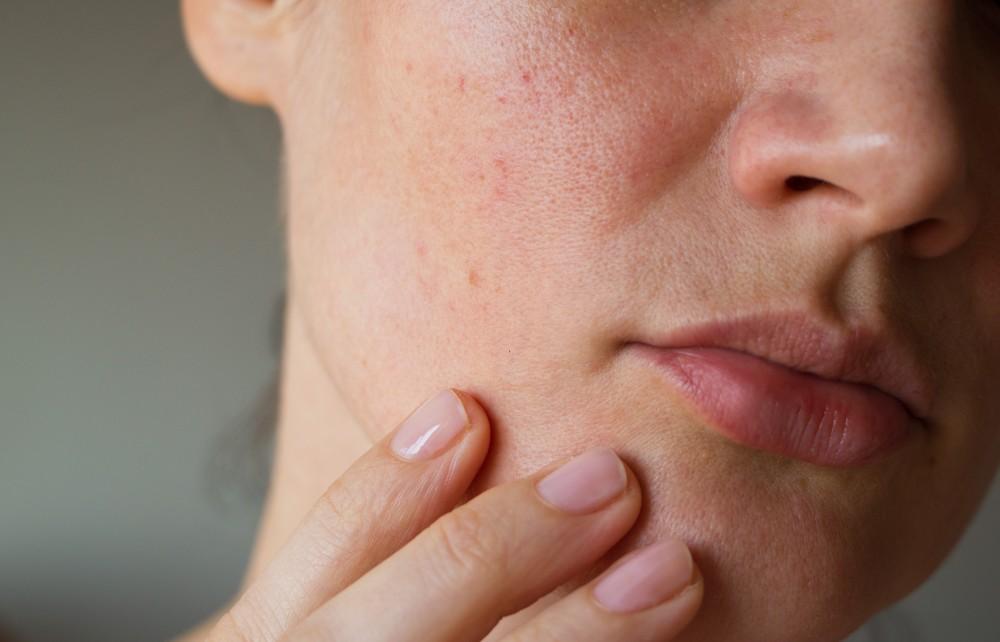
Up to 5 million American women have polycystic ovary syndrome (PCOS), a gynecologic condition that develops when ovaries produce high levels of androgens. Androgens are primarily male hormones, and they interfere with ovulation, menstruation, and fertility. Although PCOS is caused by hormonal imbalance in your ovaries, some of the most noticeable symptoms appear on theContinue reading “How PCOS Affects Your Skin (and What To Do About It)”
Most women should start getting routine mammogram screenings in their 40s. Mammograms X-ray your breast tissue, and they’re widely considered the best way to check for breast cancer. While screening takes just 20 minutes, many women dread their annual appointments. Why? Because getting a mammogram can be uncomfortable. At The Women’s Center, our experienced team is here to ensureContinue reading “How to Ensure a Comfortable Mammogram”
On average, menopause starts at age 51. Most women dread the onset of menopause, and it’s easy to see why: hot flashes, weight gain, low sex drive, mood swings, and more are all common symptoms, and they sound downright unpleasant. It’s true that menopause is an unavoidable part of life. But at The Women’s Center, we believeContinue reading “5 Self-Care Tips for Thriving Through Menopause”
A colposcopy is a diagnostic procedure that screens for abnormal cell changes in your cervix. It can diagnose conditions like cervical precancer, noncancerous growths, and genital warts, and it’s a common follow-up test for abnormal Pap smear results. But if you need a colposcopy, it’s normal to have questions. Our gynecology team at The Women’s Center is here to help.Continue reading “Does a Colposcopy Hurt?”
Few women look forward to their monthly menstrual periods. But if you suffer from heavy bleeding, having your period might mean you’re unable to participate in your usual daily activities. While every period is different, there are a few signs that could indicate your periods are too heavy. These include periods lasting longer than seven daysContinue reading “Help! My Periods Are So Heavy”
More than 90% of women report experiencing premenstrual syndrome (PMS) at some point. PMS includes a wide range of symptoms — from bloating and weight gain to mood swings and fatigue — and severe PMS can seriously interfere with your daily life. If you dread your period because PMS symptoms affect your personal relationships or your performanceContinue reading “Do I Just Have to Deal With PMS, or Can It Be Treated?”
About half of American women over age 50 will break a bone due to osteoporosis. Osteoporosis is the most common bone disease in the country, and it makes your bones more fragile and prone to breaking. Anyone can get osteoporosis, but it’s particularly common in women — and your risk increases as you age. But is getting osteoporosis inevitable?Continue reading “Can Osteoporosis Be Prevented?”
Maybe you hesitate to laugh too hard at a friend’s joke. Maybe you’ve toned down your workouts recently. Or maybe you say no to certain activities because you’re worried a bathroom won’t be close enough if you need it. If these scenarios sound familiar, you might have urinary incontinence — and it’s time to doContinue reading “Which Type of Incontinence Do You Have?”
Women are born with two ovaries. Each ovary is about the size of an almond, and they’re located on either side of the uterus in the lower abdomen. Your ovaries change throughout your menstrual cycle as they grow, store, and release eggs to be fertilized. As part of this process, ovarian cysts may develop fromContinue reading “Do Ovarian Cysts Resolve on Their Own?”
Have you been diagnosed with heavy menstrual bleeding, also called menorrhagia? Your doctor may have recommended endometrial ablation, a minimally invasive surgery that destroys the lining of your uterus and puts an end to painful, heavy periods. Endometrial ablation can be an effective treatment for heavy periods. Up to 70% of women who get ablationContinue reading “What to Consider if You Need Ablation, but Want to Get Pregnant”