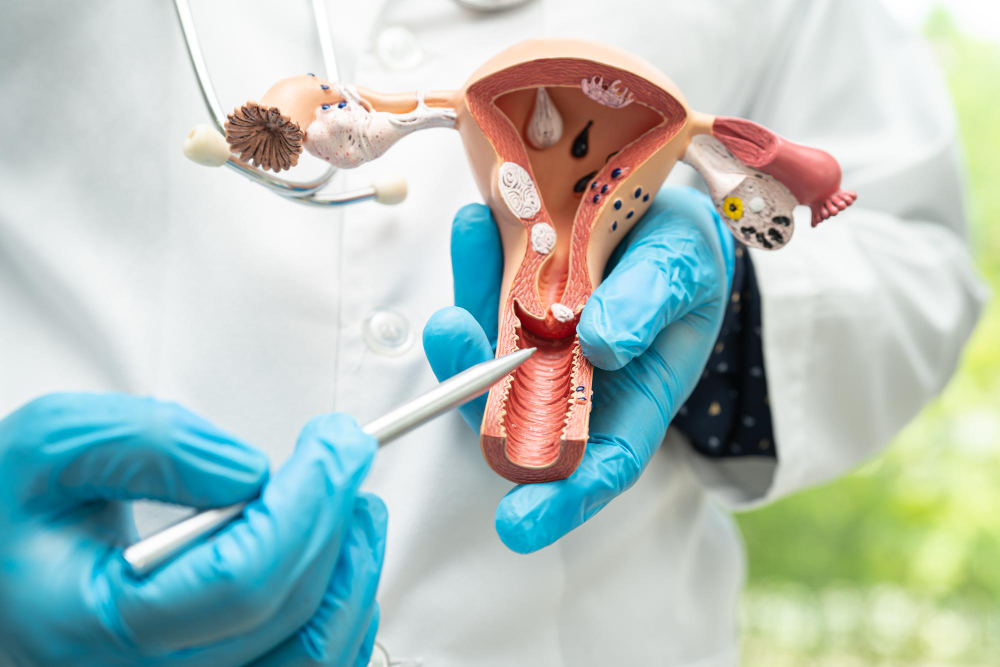
Quick Summary Mixed incontinence combines symptoms of stress incontinence and urge incontinence, making it one of the more complex forms of bladder control issues in women. Common symptoms include urine leakage during physical activities and sudden urges to urinate that are difficult to control. Factors such as pregnancy, childbirth, aging, excess weight, and certain medicalContinue reading “What You Need To Know About Mixed Incontinence In Women”
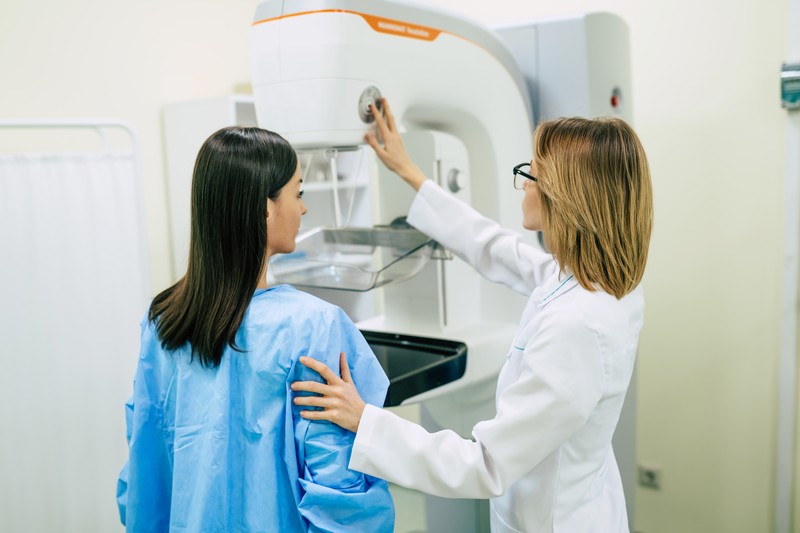
Quick Summary A mammogram can be performed during pregnancy when there is a medical reason to evaluate a breast concern. Doctors often begin with ultrasound because it does not use radiation, but mammograms may still play an important role in diagnosing persistent lumps or other unusual symptoms. Although pregnancy can make breast imaging more challengingContinue reading “Can You Get A Mammogram While Pregnant?”
Quick Summary Urinary incontinence can develop from several factors, including pregnancy, childbirth, menopause, weak pelvic floor muscles, aging, obesity, and certain medical conditions. Bladder control problems may also result from urinary tract infections, neurological disorders, diabetes, pelvic organ prolapse, or previous pelvic surgeries. Understanding these causes can help women recognize symptoms earlier and seek appropriateContinue reading “Common Urinary Incontinence Causes In Women”
Quick Summary Laparoscopy is a minimally invasive procedure that can help diagnose and treat endometriosis during the same surgery. It allows surgeons to identify hidden lesions, remove abnormal tissue, address adhesions, and evaluate the extent of disease throughout the pelvis. Many women experience symptom relief after surgery, and some may see improved fertility outcomes. WhileContinue reading “How Laparoscopy Can Help With Endometriosis”
Quick Summary Laparoscopy for infertility allows doctors to examine the reproductive organs and identify conditions that may affect conception, such as endometriosis, scar tissue, or blocked fallopian tubes. The procedure is minimally invasive and may allow certain problems to be treated during the same surgery. Most patients return home the same day and recover withinContinue reading “What To Expect From Laparoscopy For Infertility”
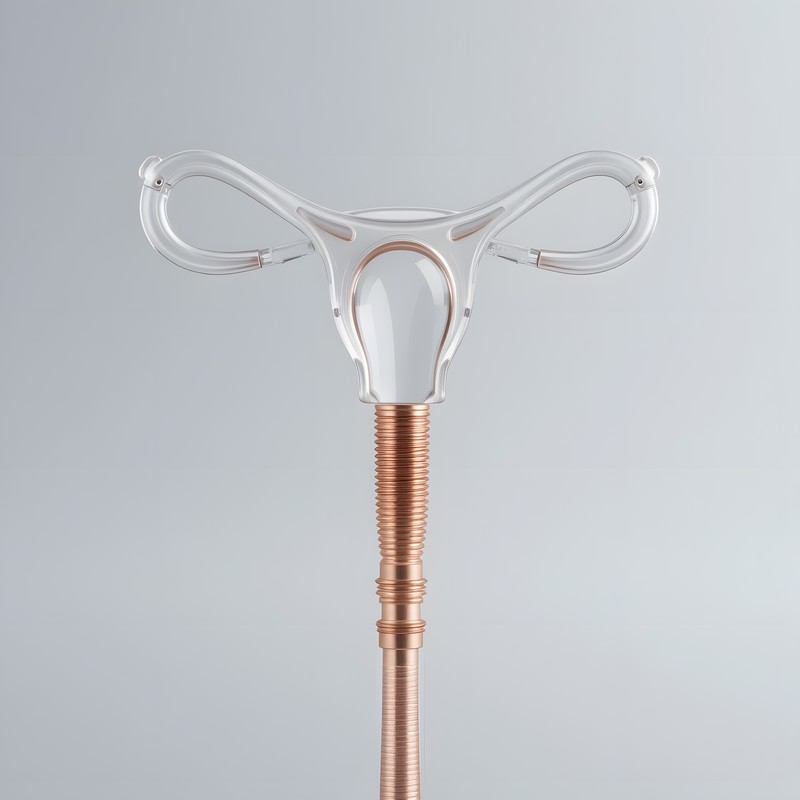
Quick Summary Copper and hormonal IUDs are both highly effective forms of long-term birth control, but they work differently and may affect menstrual cycles in unique ways. A copper IUD offers hormone-free protection and often lasts longer, while a hormonal IUD can reduce menstrual bleeding and cramping. The right choice depends on your health history,Continue reading “Copper IUD Vs. Hormonal IUD: Which Is Right For You?”
Breast tissue contains a complex network of ducts, lobules, and connective structures, which explains why the types of breast cancer vary widely in behavior and progression. Some forms remain localized for long periods, while others spread more quickly and require immediate attention. Understanding how these cancers develop, how they are classified, and how they appearContinue reading “Types Of Breast Cancer: What You Need To Know”
Abnormal Pap test results often begin the medical journey that answers the question of how to test for cervical cancer in a structured clinical pathway. These findings can appear before any noticeable symptoms develop, making early evaluation a central step in cervical health care. Human papillomavirus testing and Pap screening often detect cellular changes thatContinue reading “How To Test For Cervical Cancer”
Hormonal shifts after stopping contraception happen faster than many expect, yet timing still matters when planning pregnancy. Understanding how long should you be off birth control before trying for a baby helps you track ovulation, recognize cycle patterns, and prepare your body for conception. Each type of birth control affects fertility differently, and your timelineContinue reading “How Long Should You Be Off Birth Control Before Trying For A Baby?”
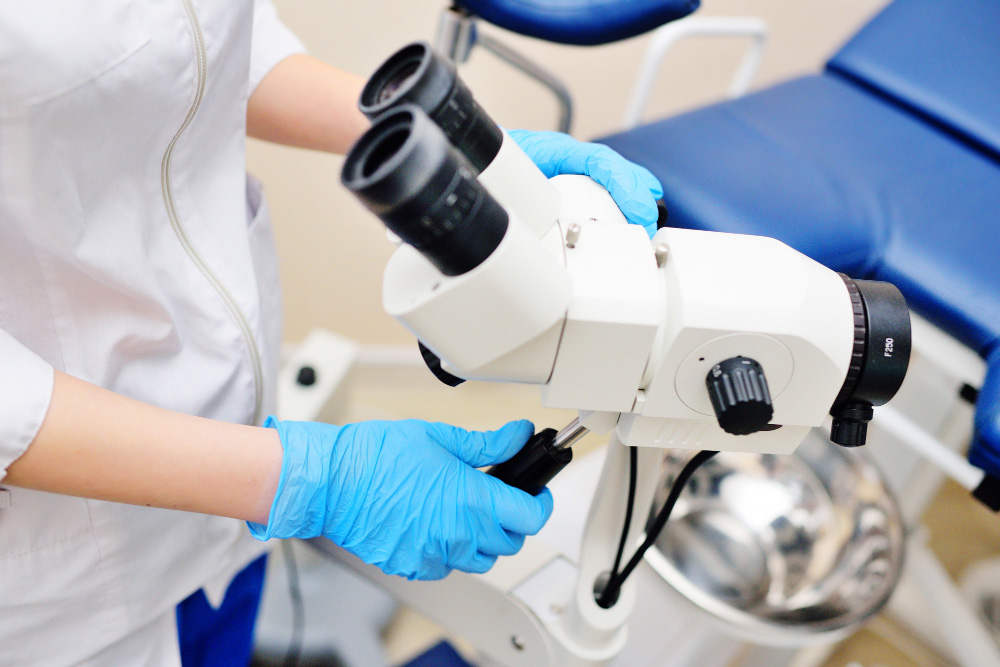
A positive HPV test often raises an immediate question: do I need a colposcopy if I have HPV, and what happens next? Human papillomavirus is common, yet only certain strains lead to changes in cervical cells that may progress into cervical cancer. Most infections resolve without intervention, while others require closer evaluation. Medical decisions dependContinue reading “Do You Need A Colposcopy If You Have HPV?”