

What You Need To Know About Mixed Incontinence In Women
Quick Summary Mixed incontinence combines symptoms of stress incontinence and urge incontinence, making it one...
Read MoreUrinary incontinence can develop from several factors, including pregnancy, childbirth, menopause, weak pelvic floor muscles, aging, obesity, and certain medical conditions. Bladder control problems may also result from urinary tract infections, neurological disorders, diabetes, pelvic organ prolapse, or previous pelvic surgeries. Understanding these causes can help women recognize symptoms earlier and seek appropriate medical care to improve bladder health and quality of life.
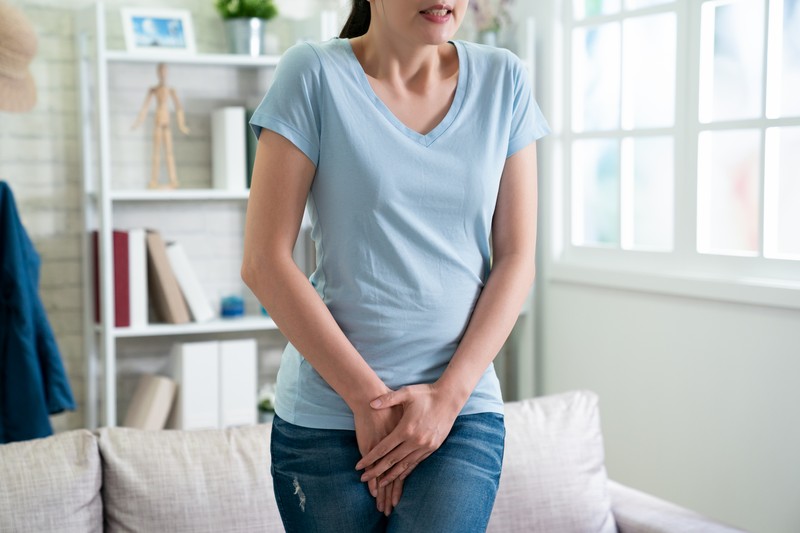
Many women experience bladder control problems at some point in life, yet the reasons behind these symptoms are not always clear. Understanding urinary incontinence causes in females can help women recognize potential risk factors and seek appropriate care. While urinary leakage can affect daily activities and confidence, identifying the underlying cause is often the first step toward better bladder health.
Urinary incontinence occurs when a person loses control over bladder function, leading to unintentional urine leakage. The condition can range from occasional leaks during physical activity to a sudden urge to urinate that is difficult to control.
Many factors can contribute to bladder control issues, and the cause often varies from one woman to another. An evaluation by an incontinence specialist can help identify the source of symptoms and determine the most suitable treatment approach.
Some women develop stress incontinence, which occurs when pressure on the bladder causes leakage. Others experience urge incontinence, which involves a sudden and intense need to urinate, often followed by leakage before reaching a restroom.
Pregnancy is one of the most common urinary incontinence causes in women. As the baby grows, the uterus places added pressure on the bladder and surrounding structures.
Hormonal changes during pregnancy can also affect the tissues that help regulate bladder control. These changes may increase the likelihood of urine leakage, especially during coughing, sneezing, or exercise.
Many women notice symptoms during the later stages of pregnancy when the baby's weight places greater pressure on the pelvic region. Although symptoms often improve after delivery, some women continue to experience leakage.
Vaginal childbirth can stretch and weaken the pelvic floor muscles that help hold the bladder in place. During labor and delivery, nerves and connective tissues may also experience strain.
When these structures become weaker, the bladder and urethra may lose some of their normal stability. As a result, leakage may occur during everyday activities that increase abdominal pressure.
The risk may increase after multiple vaginal deliveries or prolonged labor. According to the Cleveland Clinic, childbirth remains one of the leading factors associated with female urinary incontinence.
Menopause is another common contributor to bladder control concerns. During this stage of life, estrogen levels decline significantly.
Estrogen helps maintain the health of tissues in the urinary tract and pelvic region. Lower hormone levels can lead to thinning tissues and reduced strength around the bladder and urethra.
These changes may increase the likelihood of both stress and urge incontinence. Many women notice bladder symptoms becoming more apparent during or after menopause.
The pelvic floor muscles act like a hammock that helps hold the bladder, uterus, and other pelvic organs in position. When these muscles weaken, bladder control can become more difficult.
Aging, pregnancy, childbirth, and certain lifestyle factors may contribute to pelvic floor weakness. Even women who have never been pregnant can experience reduced pelvic muscle strength.
Weak pelvic floor muscles are among the most recognized causes of urinary incontinence. Leakage often occurs during laughing, lifting, coughing, or other activities that place pressure on the bladder.
Although urinary incontinence is not considered a normal part of aging, age-related changes can affect bladder function. The bladder muscle may become less flexible over time.
As bladder capacity decreases, women may feel the need to urinate more frequently. Changes in nerve signaling can also contribute to urgency and leakage.
According to Johns Hopkins Medicine, aging can increase the risk of urinary symptoms due to changes in bladder and pelvic floor function.
Urinary tract infections can irritate the bladder lining and trigger temporary urinary symptoms. Many women experience increased urgency, frequency, and discomfort during an infection.
Some women may also notice leakage because the bladder becomes more sensitive and reactive. Incontinence linked to a urinary tract infection often improves after treatment.
Women who experience frequent urinary tract infections may face recurring bladder symptoms. Prompt medical attention can help reduce discomfort and prevent complications.
An overactive bladder occurs when bladder muscles contract at inappropriate times. These contractions can create a sudden urge to urinate even when the bladder is not full.
Women with overactive bladder may find it difficult to delay urination long enough to reach a restroom. This can lead to episodes of urge incontinence.
Research from the National Institute of Diabetes and Digestive and Kidney Diseases explains that abnormal communication between the bladder and nervous system may contribute to these symptoms.
Excess body weight can place additional pressure on the bladder and pelvic floor muscles. This added strain may increase the likelihood of stress incontinence.
The pressure created by abdominal weight affects the structures responsible for maintaining urinary control. Over time, repeated strain can contribute to muscle weakness.
Several studies have identified obesity as a significant risk factor for urinary leakage in women. Weight management may help reduce symptom severity for some individuals.
Frequent coughing can place repeated pressure on the pelvic floor and bladder. Over time, this repeated force may contribute to urine leakage.
Women with chronic respiratory conditions may experience this issue more often. Smoking-related cough can also increase stress on pelvic tissues.
Activities that involve repeated heavy lifting can have a similar effect. Continuous strain may gradually weaken the structures involved in bladder control.
Constipation may seem unrelated to bladder health, but the two conditions are closely connected. A full rectum can place pressure on the bladder and surrounding nerves.
This pressure can interfere with normal bladder emptying and increase urinary urgency. Some women notice improvements in bladder symptoms after addressing constipation.
Long-term constipation may contribute to ongoing pelvic floor dysfunction. Maintaining healthy bowel habits can benefit both digestive and urinary health.
The bladder relies on signals between the brain, spinal cord, and urinary tract to function properly. Conditions that affect these signals can lead to urinary leakage.
Neurological disorders such as Parkinson's disease, multiple sclerosis, and stroke may interfere with bladder control. Spinal cord injuries can also affect communication between the bladder and the nervous system.
The Mayo Clinic identifies neurological disorders as important risk factors for urinary incontinence.
Diabetes can affect bladder function in several ways. Elevated blood sugar levels may increase urine production, leading to more frequent trips to the bathroom.
Over time, diabetes may also affect the nerves that control bladder activity. This can contribute to incomplete bladder emptying, urgency, or leakage.
Women living with diabetes may benefit from regular medical evaluations when urinary symptoms develop. Early management can help address underlying factors that contribute to bladder issues.
Certain medications can increase urine production or affect bladder function. Diuretics, sometimes called water pills, are a common example.
Some foods and beverages may also irritate the bladder. Caffeine, alcohol, and carbonated drinks can increase urgency in some individuals.
Identifying personal triggers may help reduce symptoms. A healthcare professional can review medications and lifestyle factors that may influence bladder control.
Pelvic organ prolapse occurs when pelvic tissues and muscles become weak, allowing organs such as the bladder, uterus, or rectum to shift from their normal position. This condition becomes more common after childbirth, during menopause, and aging.
When the bladder drops from its usual position, it may not empty properly. Some women experience urine leakage, increased urgency, or a feeling of pressure in the pelvic area.
According to Johns Hopkins Medicine, pelvic organ prolapse can contribute to urinary symptoms and affect overall bladder function. Women who notice a vaginal bulge or persistent bladder issues should discuss these symptoms with a healthcare professional.
Certain pelvic surgeries can affect the muscles, nerves, or connective tissues involved in bladder control. While many procedures improve quality of life, some women may develop urinary symptoms afterward.
Operations involving the uterus, bladder, or pelvic floor can occasionally alter the way these structures function. In some cases, scar tissue or changes in pelvic anatomy may contribute to urine leakage.
Women who notice new bladder symptoms following a medical procedure should seek an evaluation. Identifying the source of the problem can help guide treatment and improve daily comfort.
Occasional urinary leakage may not always signal a serious problem, but persistent symptoms should not be ignored. Frequent accidents, urgency, or difficulty controlling the bladder can affect daily life and emotional well-being.
A thorough evaluation can identify contributing factors and help guide treatment decisions. Meeting with a gynecology specialist can be especially helpful when urinary symptoms are linked to pelvic health, hormonal changes, or childbirth-related concerns.
At The Women's Center, we offer comprehensive women's healthcare services, including gynecological care for concerns related to urinary incontinence and pelvic health. Contact us today to schedule an appointment and learn more about treatment options that may help improve your comfort and quality of life.
Pregnancy, childbirth, and weakened pelvic floor muscles are among the most common causes of urinary incontinence in women. These factors can affect the structures that help control urine flow, leading to leakage during physical activity, coughing, or sneezing.
Some cases, such as those related to pregnancy or a temporary urinary tract infection, may improve over time. However, persistent symptoms often require medical evaluation to identify the underlying cause and determine appropriate treatment options.
Yes. During menopause, estrogen levels decline, which can affect the tissues around the bladder and urethra. These changes may contribute to bladder control problems and increase the likelihood of urine leakage.
You should seek medical attention if urinary leakage occurs frequently, interferes with daily activities, causes embarrassment, or is accompanied by pain, blood in the urine, or recurrent infections. Early evaluation can help identify the cause and guide treatment.
In some cases, yes. Weight management, pelvic floor exercises, reducing bladder irritants such as caffeine, and addressing constipation may help lessen symptoms. The effectiveness of these changes depends on the underlying cause of the condition.
Quick Summary Mixed incontinence combines symptoms of stress incontinence and urge incontinence, making it one...
Read More
Quick Summary A mammogram can be performed during pregnancy when there is a medical reason...
Read More
Quick Summary Urinary incontinence can develop from several factors, including pregnancy, childbirth, menopause, weak pelvic...
Read More