

What You Need To Know About Mixed Incontinence In Women
Quick Summary Mixed incontinence combines symptoms of stress incontinence and urge incontinence, making it one...
Read MoreA mammogram can be performed during pregnancy when there is a medical reason to evaluate a breast concern. Doctors often begin with ultrasound because it does not use radiation, but mammograms may still play an important role in diagnosing persistent lumps or other unusual symptoms. Although pregnancy can make breast imaging more challenging due to changes in breast tissue, modern diagnostic tools help physicians assess breast health while keeping maternal and fetal safety in mind.
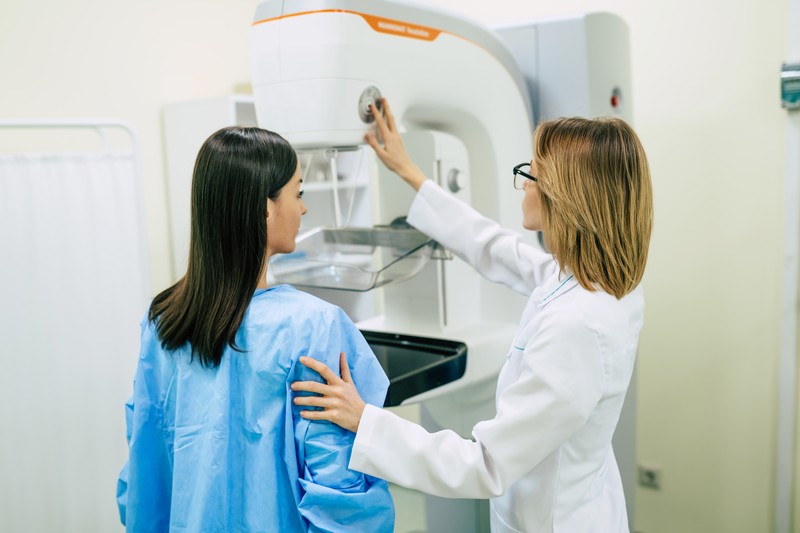
Many women wonder, ’Can you get a mammogram while pregnant?’ if they notice a lump or experience unusual breast changes? Pregnancy brings many physical changes, and some of those changes can affect breast tissue. Understanding when breast imaging may be appropriate can help you make informed decisions about your health.
The short answer is yes. In many cases, doctors can safely perform a mammogram during pregnancy when there is a medical reason to evaluate a breast concern.
A mammogram uses a low dose of radiation that focuses on the breast. According to the American Cancer Society, the amount of radiation used during a mammogram is very small, and most of it does not reach other areas of the body. A lead shield may also be placed over the abdomen for added protection.
Many imaging centers now offer a 3d mammogram, which creates multiple breast images from different angles. This technology can help radiologists evaluate dense breast tissue more effectively and may be recommended when additional detail is needed.
Doctors generally recommend mammograms during pregnancy when a woman has symptoms that require evaluation. Routine screening mammograms are not commonly performed during pregnancy unless a patient has a higher risk of breast cancer or another specific concern.
Pregnancy causes significant hormonal shifts that affect the breasts. Increased blood flow, milk gland development, and tissue growth can make the breasts feel fuller, firmer, and more sensitive.
These normal changes may make it harder to distinguish between typical pregnancy-related symptoms and a potential problem. A lump that feels concerning may actually be related to normal breast development, but it still deserves medical attention.
Breast density also increases during pregnancy. Dense tissue can make imaging interpretation more challenging because both dense tissue and abnormalities can appear white on a mammogram.
Doctors take these factors into account when deciding which imaging tests may offer the most useful information. Combining different imaging methods often gives a clearer picture of what is happening within the breast.
A physician may recommend a mammogram while pregnant if you discover a breast lump that persists or grows over time. New breast symptoms should never be ignored simply because pregnancy can cause changes in breast tissue.
Other reasons for imaging may include nipple discharge that is not related to pregnancy, skin thickening, breast dimpling, or unexplained swelling. These symptoms do not automatically indicate cancer, but they should be evaluated promptly.
Doctors also consider a patient's personal and family medical history. Women with a strong family history of breast cancer or known genetic risk factors may require additional monitoring during pregnancy.
The goal of imaging is to identify the cause of symptoms as early as possible. Early diagnosis often leads to more treatment options and better outcomes when a serious condition is present.
When evaluating a breast concern during pregnancy, doctors frequently start with ultrasound imaging. Ultrasound does not use radiation and can produce detailed images of breast structures.
According to the American Cancer Society, ultrasound is often the first imaging test used to evaluate a breast lump during pregnancy. It can help distinguish between fluid-filled cysts and solid masses.
Ultrasound is widely available and can be performed quickly. It is especially useful because pregnancy-related breast changes can sometimes make mammogram findings more difficult to interpret.
If ultrasound findings raise concerns, additional imaging or a biopsy may be recommended. Each step helps doctors gather more information before determining the next course of action.
An abnormal mammogram does not automatically mean cancer is present. Many breast abnormalities discovered during pregnancy turn out to be benign conditions.
Doctors may recommend further imaging to gain additional information. Ultrasound may be repeated, or specialists may review the images to determine the most appropriate next step.
In some situations, a biopsy may be necessary. A biopsy removes a small tissue sample that can be examined under a microscope to determine the cause of the abnormal finding.
According to Breastcancer.org, biopsies can usually be performed safely during pregnancy when a suspicious area requires further evaluation.
Receiving prompt answers can reduce uncertainty and help physicians create a treatment plan if one becomes necessary.
Not all breast imaging tests are used during pregnancy. Doctors carefully consider the benefits and potential risks before recommending any procedure.
Breast MRI often requires gadolinium contrast, which can cross the placenta. For that reason, MRI is generally not the first choice for breast evaluation during pregnancy unless there is a compelling medical reason.
Breastcancer.org also notes that gadolinium-enhanced MRI is usually avoided during pregnancy due to concerns about fetal exposure.
Other imaging studies that expose the body to higher levels of radiation, such as PET scans and certain CT scans, are typically reserved for situations where the benefits clearly outweigh potential risks.
Although uncommon, breast cancer can occur during pregnancy. When it does occur, normal pregnancy-related breast changes may delay diagnosis because symptoms can be mistaken for expected physical changes.
This is why healthcare professionals encourage women to report new lumps, persistent pain, skin changes, or unusual nipple discharge. Prompt evaluation allows doctors to identify the cause and determine appropriate care.
Modern imaging techniques help physicians investigate symptoms while minimizing fetal exposure. Mammograms, ultrasounds, and biopsies each play an important role in the diagnostic process.
The American Cancer Society explains that finding breast cancer during pregnancy can be more challenging because breast tissue becomes denser.
Awareness of changes and timely communication with your healthcare team remain important throughout pregnancy and after delivery.
If you are wondering, ‘Can I get a mammogram while pregnant?’ Discussing your concerns with your healthcare provider is a good first step. Your doctor can explain why imaging is being recommended and what information it may reveal.
Ask about the type of imaging being used and how it may affect your care plan. Understanding the purpose of each test can help you feel more comfortable with the process.
You may also want to discuss your personal risk factors, family history, and any previous breast imaging results. These details help physicians determine the most appropriate evaluation strategy. This means you will be able to get the results that you need.
If you are planning on getting pregnant in the near future, discussing breast health with your healthcare provider before conception can also be beneficial. Having a clear understanding of your breast health history may help guide future screening recommendations.
Paying attention to breast changes during pregnancy is an important part of caring for your overall health. Many changes occur as the body prepares for pregnancy and breastfeeding. While many breast changes are normal, persistent symptoms should always be discussed with a healthcare professional.
Modern imaging options allow doctors to evaluate breast concerns while keeping maternal and fetal safety in mind. Physicians select imaging methods based on each patient's symptoms and medical history. When medically indicated, a mammogram can be a valuable diagnostic tool during pregnancy.
At The Women's Center, we offer comprehensive breast health services, including mammography and diagnostic imaging for women at every stage of life. Contact us to schedule an appointment and discuss any breast concerns with our experienced team.
Yes. Doctors may recommend a mammogram during pregnancy if you find a lump or experience other concerning breast symptoms. Mammograms use a low dose of radiation, and additional protective measures may be used during the exam. Your healthcare provider will determine the most appropriate imaging based on your situation.
Ultrasound is often the first imaging test used during pregnancy because it does not use radiation and can effectively evaluate many breast concerns. However, a mammogram may still be recommended if more information is needed. The two tests often work together to help doctors make an accurate diagnosis.
The amount of radiation used in a mammogram is very small and is directed at the breast. According to medical organizations such as the American Cancer Society, mammograms are generally considered safe during pregnancy when medically necessary. Your doctor will weigh the benefits and any potential risks before recommending imaging.
Not necessarily. If you notice a persistent lump, unusual nipple discharge, skin changes, or other symptoms, you should contact your healthcare provider promptly. Delaying evaluation could postpone diagnosis and treatment if a significant issue is present.
Yes. Pregnancy often causes the breasts to become denser, larger, and more sensitive. These changes can make it more difficult to identify abnormalities through a physical exam or imaging, which is why timely evaluation of new symptoms is important.

Quick Summary Mixed incontinence combines symptoms of stress incontinence and urge incontinence, making it one...
Read More
Quick Summary A mammogram can be performed during pregnancy when there is a medical reason...
Read More
Quick Summary Urinary incontinence can develop from several factors, including pregnancy, childbirth, menopause, weak pelvic...
Read More