

What You Need To Know About Mixed Incontinence In Women
Quick Summary Mixed incontinence combines symptoms of stress incontinence and urge incontinence, making it one...
Read MoreHormonal shifts after stopping contraception happen faster than many expect, yet timing still matters when planning pregnancy. Understanding how long should you be off birth control before trying for a baby helps you track ovulation, recognize cycle patterns, and prepare your body for conception.
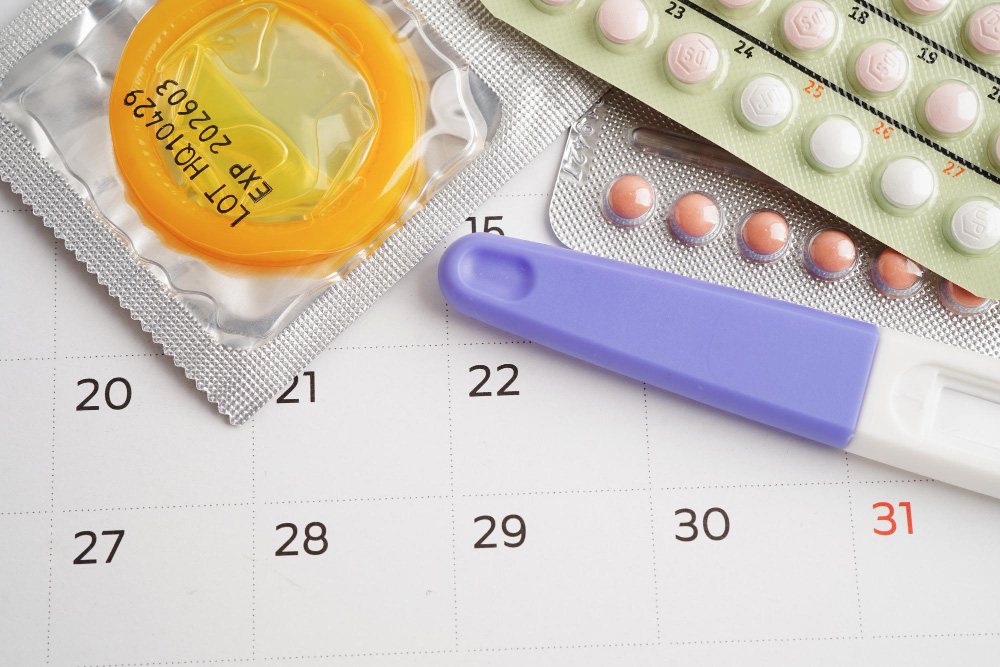
Each type of birth control affects fertility differently, and your timeline may vary based on your health and menstrual history. A clear plan allows better decisions and reduces confusion during the transition from contraception to pregnancy.
Birth control works by altering hormonal signals that regulate ovulation. Some methods stop ovulation entirely, while others change cervical mucus or thin the uterine lining. Once you stop using these methods, your body begins to return to its natural hormonal rhythm.
For many individuals, fertility returns quickly. However, the timing depends on the birth control type used. Hormones from pills, patches, and rings leave the body within days, while longer-acting methods may take more time.
It is important to understand that birth control does not cause long-term infertility. Instead, it temporarily pauses or modifies reproductive processes. After discontinuation, the body gradually resumes its normal cycle.
The answer varies based on the method used and your individual cycle. In most cases, you can attempt conception soon after stopping birth control. However, waiting for one to three natural cycles can help you better understand ovulation timing.
This short waiting period allows your menstrual cycle to stabilize. It also makes it easier to calculate due dates and identify irregular patterns if they exist.
For those planning pregnancy, this phase can also serve as preparation time. You can begin tracking cycles, noticing signs of ovulation, and making lifestyle adjustments that align with reproductive health.
Hormonal pills, patches, and vaginal rings are among the most commonly used contraceptive methods. These options typically allow a rapid return to fertility.
Ovulation may resume within a few weeks after stopping. Many individuals can conceive during the first cycle after discontinuation. However, some may experience slight delays as the body readjusts hormone levels.
If you notice late periods on birth control before stopping, similar irregularities may appear afterward. Tracking your cycle for a few months can help you identify patterns and predict fertile windows more accurately.
Both hormonal and non-hormonal IUDs allow a quick return to fertility after removal. Ovulation can occur within the first cycle, especially with copper IUDs.
Hormonal IUDs may take slightly longer for the uterine lining and hormone levels to normalize. Even so, most individuals regain fertility within a short timeframe.
Because IUDs do not suppress ovulation as strongly as some other methods, the transition to conception often feels smoother.
Implants release hormones steadily over time to prevent ovulation. Once removed, hormone levels drop quickly, and ovulation can return within weeks.
Most individuals regain fertility shortly after removal. However, cycle irregularities may occur briefly as the body resets.
Monitoring changes during this phase helps you better understand your reproductive pattern and identify fertile days.
The Depo-Provera injection has a different timeline compared to other methods. It contains a higher dose of hormones that remain in the body longer.
After the last injection, ovulation may take several months to return. In some cases, it may take up to ten months or longer for cycles to normalize.
This delay does not mean fertility is reduced permanently. It reflects how long the medication remains active in your system. Planning ahead becomes important if you have used this method and wish to conceive within a specific timeframe.
Ovulation can occur quickly after stopping most hormonal contraceptives. Some individuals ovulate within two to four weeks.
However, the first cycle may not always include ovulation. It may take one or two cycles before regular ovulation resumes.
Signs of ovulation include changes in cervical mucus, mild pelvic discomfort, and slight shifts in body temperature. Tracking these signs can help you understand your fertility window.
Medical guidance often suggests waiting one to three cycles before actively trying for pregnancy. This is not a strict rule, but it offers certain advantages.
A stabilized cycle allows more accurate tracking of ovulation. It also helps in estimating pregnancy timelines more clearly.
During this time, you can focus on overall health. Starting prenatal vitamins, improving nutrition, and addressing any underlying concerns can contribute to a healthier pregnancy journey.
If you are planning to evaluate fertility, it is best to wait until your natural cycle returns. Testing too soon may not reflect accurate hormone levels.
After one or two cycles, hormone patterns become clearer. This helps healthcare providers assess ovulation, cycle regularity, and overall reproductive health.
If cycles remain irregular after several months, it may be helpful to find a good OBGYN for further evaluation.
Several factors influence how quickly fertility returns. Age plays a role, as reproductive potential naturally changes over time.
Your menstrual history before starting birth control also matters. If cycles were irregular earlier, similar patterns may continue afterward.
Lifestyle habits, body weight, stress levels, and underlying medical conditions can also impact fertility. Paying attention to these factors helps you approach conception with better awareness.
Irregular cycles are common after stopping contraception. Your body needs time to regulate hormone levels and restore its natural rhythm.
Some individuals experience skipped periods, while others notice shorter or longer cycles. These changes usually stabilize within a few months.
Tracking your cycle through apps or journals can help you identify patterns. This information becomes useful if you need medical guidance later.
We are here to guide you through every stage of your journey. If you are planning for a baby or have questions about birth control and fertility, connect with us today.
Let us walk you through your options, review your cycle, and help you move forward with clarity and confidence.


Quick Summary Mixed incontinence combines symptoms of stress incontinence and urge incontinence, making it one...
Read More
Quick Summary A mammogram can be performed during pregnancy when there is a medical reason...
Read More
Quick Summary Urinary incontinence can develop from several factors, including pregnancy, childbirth, menopause, weak pelvic...
Read More