

What You Need To Know About Mixed Incontinence In Women
Quick Summary Mixed incontinence combines symptoms of stress incontinence and urge incontinence, making it one...
Read MoreCopper and hormonal IUDs are both highly effective forms of long-term birth control, but they work differently and may affect menstrual cycles in unique ways. A copper IUD offers hormone-free protection and often lasts longer, while a hormonal IUD can reduce menstrual bleeding and cramping. The right choice depends on your health history, preferences regarding hormones, and future family planning goals. Speaking with an experienced healthcare provider can help you determine which option aligns best with your lifestyle and reproductive needs.
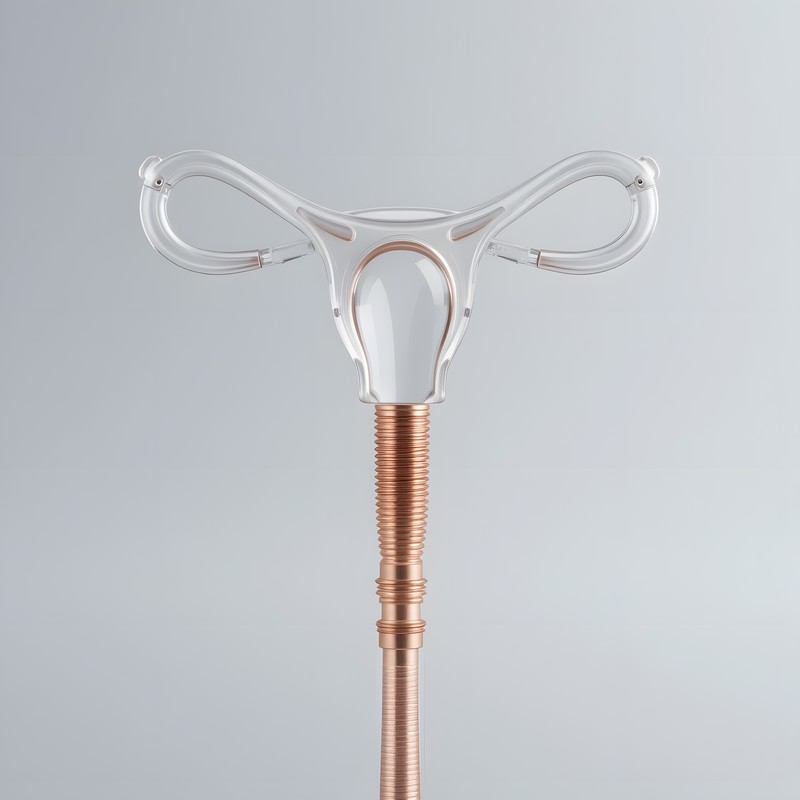
Choosing a long-term birth control method can feel overwhelming when several reliable options are available. Understanding the differences between a copper IUD vs. hormonal IUD can help you make a choice that fits your health goals and lifestyle. Each device offers highly effective pregnancy prevention, but they work in different ways and may affect your body differently.
An intrauterine device, or IUD, is a small T-shaped device placed inside the uterus to prevent pregnancy. Both copper and hormonal IUDs rank among the most effective forms of reversible birth control available today.
The main difference lies in how they prevent pregnancy. A copper IUD uses copper to interfere with sperm movement, while a hormonal IUD releases a small amount of progestin to change conditions within the reproductive system.
An IUD specialist can review your medical history, menstrual patterns, and future family plans before recommending an option. Personalized guidance often helps women feel more confident about their decision.
A copper IUD contains a small amount of copper wrapped around the device. Copper creates an environment that sperm cannot easily survive in, reducing the chance of fertilization.
One of the biggest advantages of this option is that it does not contain hormones. Women who prefer a hormone-free method often find this feature appealing.
According to the American College of Obstetricians and Gynecologists, IUDs are among the most effective reversible contraceptive methods available today. Copper IUDs can remain in place for up to 10 years or longer, depending on the specific device. Fertility generally returns quickly after removal.
A hormonal IUD releases a low dose of progestin into the uterus over time. This hormone thickens cervical mucus and makes it harder for sperm to reach an egg.
The hormone also thins the uterine lining. In some women, it may reduce or stop ovulation during certain cycles.
Hormonal IUDs come in several types with varying durations of use. Depending on the product, protection may last between three and eight years.
Changes in menstrual bleeding are often one of the most noticeable differences between these options. Understanding these effects can help set realistic expectations.
Women with a copper IUD may notice heavier periods and stronger cramping, especially during the first few months after insertion. These symptoms often improve over time.
Hormonal IUDs frequently lead to lighter periods. Some women experience very little bleeding after several months of use.
Research published by the National Library of Medicine has found that hormonal IUDs can significantly reduce menstrual blood loss in many patients.
Every birth control method comes with potential side effects. Individual experiences vary based on overall health and hormone sensitivity.
Copper IUD users generally avoid hormone-related symptoms because the device does not release hormones. However, heavier menstrual bleeding may be a concern for some women.
Hormonal IUD users may experience temporary effects such as breast tenderness, headaches, acne, or mood changes. These symptoms often lessen as the body adjusts.
Many women appreciate that neither option requires daily attention. Once inserted, the device works continuously without pills, patches, or monthly prescriptions.
Longevity can play a major role when choosing a contraceptive method. Women seeking long-term protection often compare how long each device remains effective.
Copper IUDs typically offer the longest duration of use. Some models remain effective for up to a decade or more.
Hormonal IUDs generally last between three and eight years, depending on the product selected. Both options can be removed at any time if pregnancy becomes a goal.
Both devices offer years of protection, and because of this, many women appreciate the convenience and reliability they bring to family planning.
A copper IUD may be a good fit for women who want effective birth control without hormones. It can also appeal to those who prefer a long-lasting option with minimal ongoing maintenance.
This option may work well for women who tolerate their natural menstrual cycle without significant discomfort. It is also approved for emergency contraception when inserted shortly after unprotected intercourse.
Women with concerns about hormone-related side effects often discuss copper IUDs with their healthcare provider. Individual medical history remains an important factor in determining suitability.
A hormonal IUD may be attractive for women who experience heavy periods or painful menstrual cramps. The hormone can help reduce bleeding and make periods more manageable.
Some women appreciate having lighter periods or no periods at all. For many patients, this change improves overall comfort and quality of life.
A hormonal IUD may also appeal to women who want long-term contraception while addressing certain menstrual concerns. A healthcare professional can explain the potential benefits based on your situation.
Choosing between a hormonal IUD vs. copper IUD involves more than comparing effectiveness. Both options prevent pregnancy at rates greater than 99 percent.
Think about your menstrual history and your feelings about hormone use. Your comfort level with possible changes in bleeding patterns can also influence your decision.
It is helpful to discuss future pregnancy plans with your healthcare provider. Reviewing your goals can narrow the choice and lead to a more satisfying outcome.
The decision between a copper vs. hormonal IUD depends on your preferences, health history, and reproductive goals. No single option works best for every woman.
A copper IUD offers hormone-free protection and long-lasting effectiveness. A hormonal IUD may reduce menstrual symptoms while delivering years of reliable contraception.
By reviewing the advantages and considerations of each option, you can make an informed choice that aligns with your approach to family planning and long-term pregnancy prevention.
At The Women's Center, we help women evaluate birth control options through personalized gynecological care and contraceptive counseling. If you would like guidance on choosing between a copper or hormonal IUD, contact us to schedule an appointment and discuss the option that best fits your needs.
Both copper and hormonal IUDs are more than 99% effective at preventing pregnancy. While hormonal IUDs have a slightly higher effectiveness rate in some studies, both methods are considered among the most reliable forms of reversible birth control available.
Yes. Fertility generally returns quickly after the removal of either a copper or hormonal IUD. Many women can become pregnant during their first menstrual cycle following removal, depending on their overall reproductive health.
A hormonal IUD is often recommended for women with heavy menstrual bleeding because it can reduce blood loss and cramping over time. A copper IUD may cause heavier periods, particularly during the first several months after insertion.
Some women experience mild to moderate discomfort during insertion, including cramping or pressure. The sensation is usually brief, and most patients can return to normal activities within a day or two.
The duration depends on the type of IUD. Copper IUDs can remain effective for up to 10 years or longer, while hormonal IUDs typically last between three and eight years, depending on the specific product.


Quick Summary Mixed incontinence combines symptoms of stress incontinence and urge incontinence, making it one...
Read More
Quick Summary A mammogram can be performed during pregnancy when there is a medical reason...
Read More
Quick Summary Urinary incontinence can develop from several factors, including pregnancy, childbirth, menopause, weak pelvic...
Read More