

What You Need To Know About Mixed Incontinence In Women
Quick Summary Mixed incontinence combines symptoms of stress incontinence and urge incontinence, making it one...
Read MoreLaparoscopy for infertility allows doctors to examine the reproductive organs and identify conditions that may affect conception, such as endometriosis, scar tissue, or blocked fallopian tubes. The procedure is minimally invasive and may allow certain problems to be treated during the same surgery. Most patients return home the same day and recover within a relatively short period. The findings can help guide future fertility plans and lead to a more accurate diagnosis of reproductive health concerns.
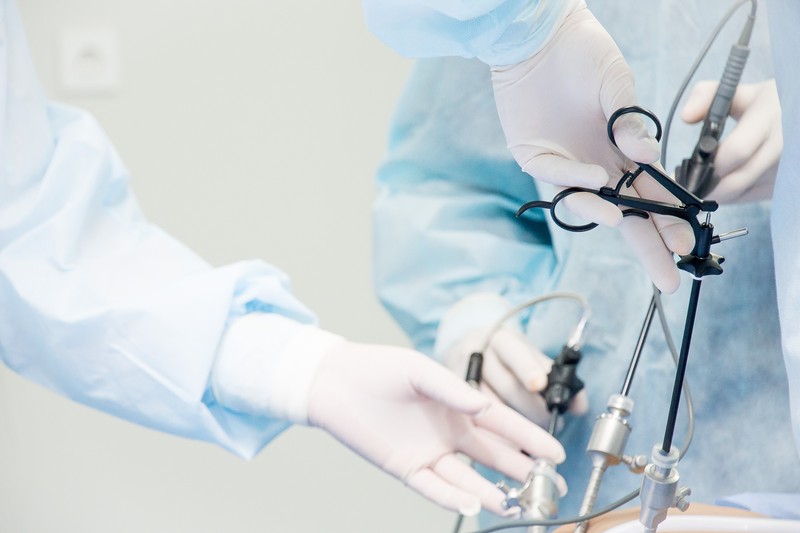
If you have struggled to conceive, your doctor may recommend laparoscopy for infertility as part of your evaluation or treatment plan. This minimally invasive procedure allows specialists to examine the reproductive organs and identify conditions that may affect fertility. Understanding the process can help you feel more prepared and confident about the next steps in your care.
Laparoscopy gives physicians a direct view of the pelvic organs, including the uterus, ovaries, and fallopian tubes. Unlike imaging tests, it allows doctors to see certain abnormalities in real time.
Many fertility specialists recommend this procedure when other tests do not fully explain fertility challenges. It may also help investigate symptoms such as pelvic pain, painful periods, or suspected endometriosis.
A qualified laparoscopy specialist can use this procedure to identify problems that may not appear on ultrasounds or other diagnostic studies. In some cases, treatment can take place during the same procedure, reducing the need for additional surgeries.
Research published by the American Society for Reproductive Medicine notes that laparoscopy remains a valuable tool for diagnosing and managing certain reproductive conditions.
Your doctor will review your medical history and discuss the goals of the procedure. You may also undergo blood work, imaging studies, or other fertility evaluations beforehand.
Most patients receive instructions about eating and drinking before surgery. General anesthesia is commonly used, thus fasting for several hours before the procedure is often required.
You should arrange transportation home after surgery. Recovery from anesthesia can affect alertness for the rest of the day.
Your care team may also discuss medications you currently take. Some medications require temporary adjustments before surgery to reduce potential complications.
Preparing questions ahead of time can help you feel more informed about the procedure. Your doctor can explain why laparoscopy is recommended and what information it may reveal about your fertility.
You may want to ask about potential findings, treatment options during surgery, and expected recovery timelines. Understanding these details can make it easier to plan for the procedure and the weeks that follow.
It is also helpful to discuss future fertility plans. Knowing how the results may influence treatment recommendations can help you approach the process with realistic expectations.
Most laparoscopic procedures take place in a hospital or outpatient surgical center. Patients typically arrive several hours before surgery to complete preparations.
A nurse may check your vital signs and review your medical information. An intravenous line is usually placed to administer fluids and medications.
Once you enter the operating room, the anesthesia team will administer general anesthesia. You will remain asleep throughout the procedure.
The surgical team will clean the treatment area and prepare specialized equipment. After you are asleep, the procedure begins.
The surgeon usually makes a small incision near the belly button. Carbon dioxide gas enters the abdomen to create space and improve visibility.
A thin instrument, called a laparoscope, is inserted through the incision. The camera attached to the laparoscope sends images to a monitor and is used by the surgeon to examine the pelvic organs.
There are instances when surgical instruments are needed. In this case, there will also be additional small incisions made. These openings allow the physician to perform treatments while viewing the area.
Patients often experience less discomfort than they would after traditional open surgery because of the small incisions. These may also contribute to shorter recovery times.
One of the main benefits of laparoscopy infertility evaluations is the ability to identify conditions that may interfere with conception. The procedure offers a detailed view of structures that are difficult to assess through imaging alone.
Endometriosis occurs when tissue similar to the uterine lining grows outside the uterus. This condition may contribute to pain, inflammation, and fertility challenges.
Laparoscopy is considered one of the most reliable methods for identifying endometriosis. Doctors can often determine the location and extent of the condition during surgery.
According to the U.S. Department of Health and Human Services, endometriosis affects many women during their reproductive years and can impact fertility.
Scar tissue may develop after infections, surgeries, or inflammatory conditions. These adhesions can affect the normal function of reproductive organs.
During laparoscopy, doctors can identify bands of scar tissue that may restrict movement or alter anatomy. Treatment may be possible during the same procedure.
Healthy fallopian tubes play an important role in conception. A blockage can prevent sperm and egg from meeting.
Laparoscopy helps physicians assess the condition of the tubes and identify areas of obstruction. This information can help guide future fertility treatment decisions.
The procedure may reveal ovarian cysts, fibroids, or structural abnormalities. Identifying these issues can help physicians develop a more accurate treatment plan.
Some abnormalities can be corrected during surgery. Others may require additional treatment depending on their size and location.
One advantage of diagnostic laparoscopy for infertility is that diagnosis and treatment may occur during the same procedure. This approach can reduce delays in care.
If endometriosis is present, the surgeon may remove or destroy abnormal tissue. Addressing these growths may improve pelvic function and reduce symptoms.
Scar tissue can often be removed to restore normal movement of reproductive organs. This may create a more favorable environment for conception.
Certain ovarian cysts or small fibroids may also be treated during surgery. The specific approach depends on the findings and the patient's fertility goals.
The University of Utah Health notes that laparoscopy can help diagnose and treat reproductive conditions in a minimally invasive manner.
Laparoscopy has a strong safety record, but every surgical procedure carries some level of risk. Your physician will discuss potential complications before surgery and answer any questions you may have.
Possible risks include infection, bleeding, reactions to anesthesia, or injury to nearby organs. These complications are uncommon, but understanding them can help you make informed decisions about your care.
Following postoperative instructions and attending follow-up appointments can help identify concerns early. Most patients recover without significant complications and return to normal activities within a relatively short period.
Recovery experiences vary from person to person. Most patients return home on the same day as the procedure.
Mild soreness around the incision sites is common. Some patients also notice temporary bloating caused by the gas used during surgery.
Shoulder discomfort may occur because the gas can irritate nerves connected to the shoulder area. This symptom usually improves within a few days.
Your physician will explain activity restrictions and recovery guidelines. Many people resume light activities within several days, although recovery timelines differ based on the extent of treatment performed.
Rest, hydration, and following postoperative instructions can help make recovery more comfortable. Contact your healthcare provider if you experience unusual symptoms such as severe pain, heavy bleeding, or signs of infection.
In many cases, your surgeon can discuss preliminary findings shortly after the procedure. Additional details may become available after reviewing surgical notes or pathology results.
The information gathered during laparoscopy helps shape future fertility planning. Your physician may recommend trying to conceive naturally, pursuing fertility medications, or considering assisted reproductive technologies.
Treatment recommendations depend on your age, reproductive history, and surgical findings. Every fertility journey is unique, and decisions should reflect individual circumstances.
Your doctor may schedule a follow-up appointment to discuss long-term recommendations. This conversation often helps patients better understand their options moving forward.
Many patients want to know how soon they can begin trying to conceive after surgery. The answer depends on the reason for the procedure, the treatments performed, and your physician's recommendations.
Some women may receive clearance to try for pregnancy within a short period after recovery. Others may need additional fertility treatments based on the findings identified during surgery.
Your doctor will create a plan that reflects your individual situation. The information gathered during laparoscopy often helps determine the most effective path toward achieving pregnancy.
Laparoscopy offers valuable insight into conditions that may affect reproductive health. For many patients, it answers questions that other tests cannot fully address.
The procedure may uncover hidden issues, allow immediate treatment, and help physicians create a more personalized care plan. Those findings can play an important role in reaching an accurate infertility diagnosis and identifying the most appropriate path forward.
At The Women's Center, we offer comprehensive gynecologic and fertility-related care to help patients understand their reproductive health and treatment options. If you would like to learn more about laparoscopy or discuss your concerns, contact us to schedule an appointment with our team.
You will be under general anesthesia during the procedure, so you will not feel pain during surgery. Mild soreness, bloating, or discomfort around the incision sites is common afterward. Most symptoms improve within several days and can often be managed with prescribed or over-the-counter medications recommended by your physician.
Recovery varies based on the extent of the procedure and any treatments performed during surgery. Many patients return to light activities within a few days and resume normal routines within one to two weeks. Your physician will give personalized recovery instructions based on your specific situation.
In some cases, yes. If the procedure identifies and treats issues such as endometriosis, pelvic adhesions, or certain tubal abnormalities, fertility outcomes may improve. Results vary from person to person, and your doctor will discuss how the findings may affect your fertility plan.
Imaging studies can identify many reproductive conditions, but some issues are difficult to detect without direct visualization. Laparoscopy allows the surgeon to examine the pelvic organs closely and assess abnormalities that may not appear on ultrasound or other scans. It can also allow treatment during the same procedure.
The timeline depends on the reason for surgery and the treatments performed. Some patients may begin trying to conceive shortly after recovery, while others may need additional fertility care. Your doctor will recommend an approach based on your surgical findings and overall reproductive health.

Quick Summary Mixed incontinence combines symptoms of stress incontinence and urge incontinence, making it one...
Read More
Quick Summary A mammogram can be performed during pregnancy when there is a medical reason...
Read More
Quick Summary Urinary incontinence can develop from several factors, including pregnancy, childbirth, menopause, weak pelvic...
Read More