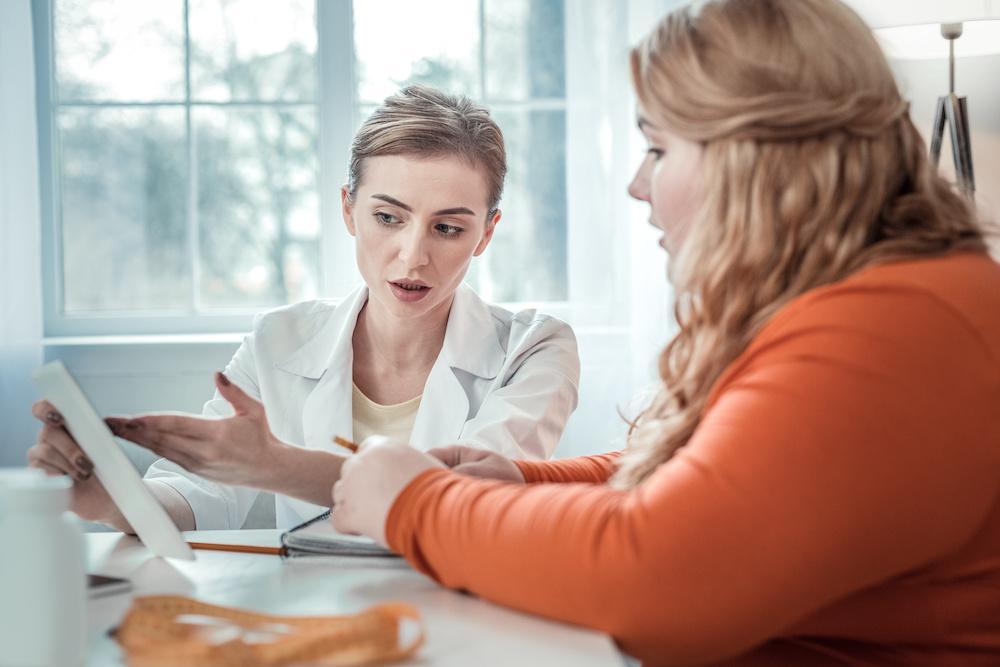
Polycystic ovary syndrome, also called PCOS and polycystic ovarian syndrome, is one of the most common hormonal disorders, from 5 to 10 percent of women of reproductive age. PCOS can lead to irregular periods and fertility issues. Additionally, many women with PCOS are overweight or obese, and obesity exacerbates PCOS symptoms. However, it’s not clearContinue reading “The Link Between Obesity and PCOS”
Does the thought of discussing sex with your doctor make you cringe? Many women may say yes. But the truth is that up to 50% of women experience changes that make sex painful after menopause. Physical and hormonal changes in your body affect your sexual and vaginal health. Pain during sex is common, but thatContinue reading “Painful Sex? Nonsurgical MonaLisa Touch® Treatments Can Help”
Most women have their first menstrual period by the time they’re 15 years old. Menstrual cycles then generally continue monthly until a woman is between 45 and 55. As you get older, your periods become irregular and eventually stop completely. Once you’ve gone a year without getting your period, you’ve entered menopause, and it signalsContinue reading “Perimenopause: What Should I Expect Next?”
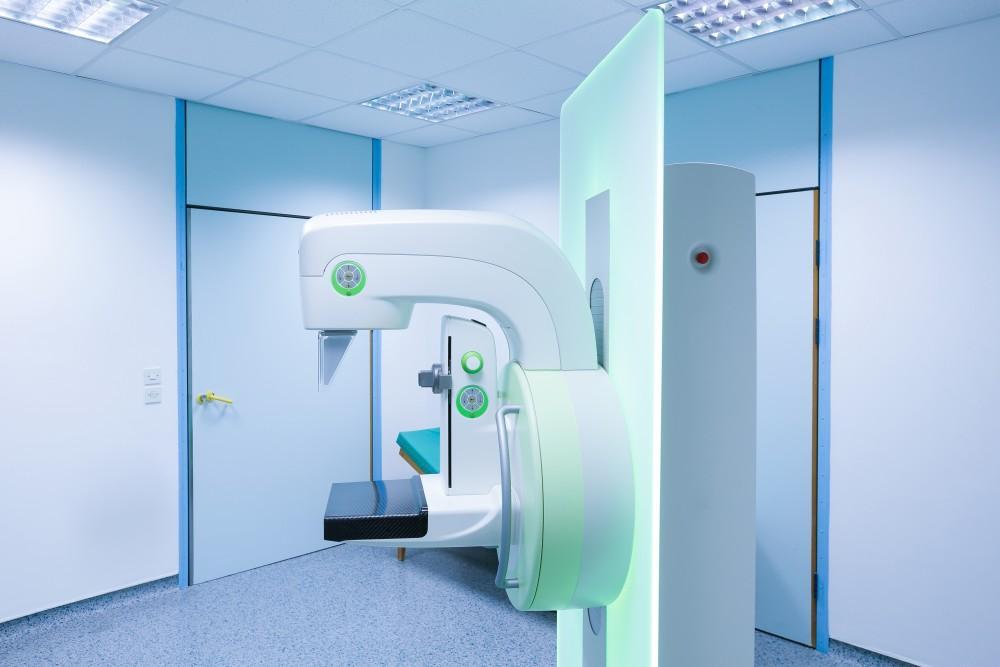
For many — if not most — adult women, yearly breast cancer screenings are the norm. Traditionally, mammograms offer a two-dimensional image that depicts the top and the side of each breast. But a newer, more innovative version of the long-standing mammogram offers a sharper image and fewer false positives — thus more peace ofContinue reading “Why You Should Add a 3D Mammogram to Your New Year’s Resolution List”
Heavy bleeding during periods, also known as menorrhagia, can greatly interfere with your daily life. While periods are occasionally a hassle, menorrhagia takes it a step further. You might have to stop often to change pads or tampons, suffer from heavy cramping, and even experience anemia-like symptoms every month. Abnormal menstrual bleeding should be takenContinue reading “Could Heavy Periods Be a Sign of a Serious Problem?”
If you’re a woman, you need to know about bone health. Women are disproportionately affected by osteoporosis, a condition that causes weak and brittle bones that can fracture easily. Osteoporosis didn’t get its name by chance — it literally means “porous bone.” Bones may become so brittle that something as simple as coughing can fractureContinue reading “How Do You Know If Your Bones Are Brittle?”
You can’t ignore the risk of breast cancer. This life-threatening disease affects one in every eight women in the United States. While treatment advances and increased awareness have reduced deaths, almost 42,000 women in the United States die from breast cancer annually. Breast cancer accounts for the largest number of cancer deaths among women, exceptContinue reading “Why it’s Important to Regularly Complete a Breast Self-Examination”
Most women know they’re more prone to osteoporosis (or weak bones) as they get older. But what many don’t realize is just how prevalent it is. According to the National Osteoporosis Foundation, of the 10 million Americans who have osteoporosis (which literally means “porous bones”), 8 million are women. What’s more, about half of allContinue reading “How to Maintain Your Bone Strength at Any Age”
Certainly, the most important consideration when picking a birth control method is how well the method works to prevent pregnancy. And for a long time, birth control pills were the method most women turned to. Oral contraceptives are still extremely popular. But today, they’ve been joined by a host of other options that are justContinue reading “What Type of Birth Control Is Right for Me?”
Most women have heard of ovarian cysts, but few understand what they are and when they’re cause for concern. At The Women’s Center, our experienced team offers a personalized approach to help you understand this unique gynecological condition and how it can affect your overall health. If you think you have an ovarian cyst, youContinue reading “What You Should Know About Ovarian Cysts”