One in every eight American women gets breast cancer in her lifetime. After skin cancer, it’s the most common type of cancer affecting women, but recognizing your risk factors and getting routine health screenings can help you stay healthy. Everyone is at risk for breast cancer. (Yes, even males.) Certain factors like being female, gettingContinue reading “Does Your Diet Impact Your Risk of Breast Cancer?”
A mammogram is an X-ray of your breasts. It’s one of the best ways to identify breast cancer early — in some cases, up to three years before a tumor could be detected in a physical exam — and early identification often makes treatment more effective. Regular mammograms should become part of your health careContinue reading “What Does It Mean to Have Dense Breasts?”
Up to 1 in 10 women of reproductive age suffers from polycystic ovary syndrome (PCOS). PCOS is a hormonal imbalance that interferes with ovulation, and it commonly causes irregular menstrual periods and infertility. But the condition doesn’t just affect your reproductive health. Many women notice appearance changes — from weight gain to facial hair growthContinue reading “PCOS and Appearance Changes: Causes and Treatments”
Your bones are made up of living tissue. They’re much harder than muscles or organs, but cells in bones grow, change, and repair just like tissue in every other part of your body. Bones are made of collagen and calcium phosphate, among other minerals. When you’re young, your bones have a high density, which meansContinue reading “When to Consider a Bone Density Test”
Menopause is a natural biological process that occurs when a woman is in her 40s or 50s, and the symptoms last an average of 4-5 years. Although menopause marks the end of your reproductive years, the average American woman’s life expectancy is 81 years, which means that many women live a third of their livesContinue reading “Sexual Health After Menopause: What to Expect”
Involuntary urine leakage, or urinary incontinence, is an embarrassing problem. It’s one of those topics that many women are hesitant to discuss at the doctor’s office, but not bringing it up could mean you’re suffering unnecessarily. Urinary incontinence affects over 33 million Americans, two-thirds of whom are women. It’s an extremely common issue, and it’sContinue reading “Urinary Incontinence — It’s Common and Treatable”
Over 3.8 million women in the United States have received a breast cancer diagnosis. It’s the second-most common type of cancer affecting women, and an estimated 1 in 8 women will have breast cancer in her lifetime. Advancements in cancer research mean that more women are beating breast cancer than ever before, but early diagnosisContinue reading “It’s Breast Cancer Awareness Month — Are You in the Know?”
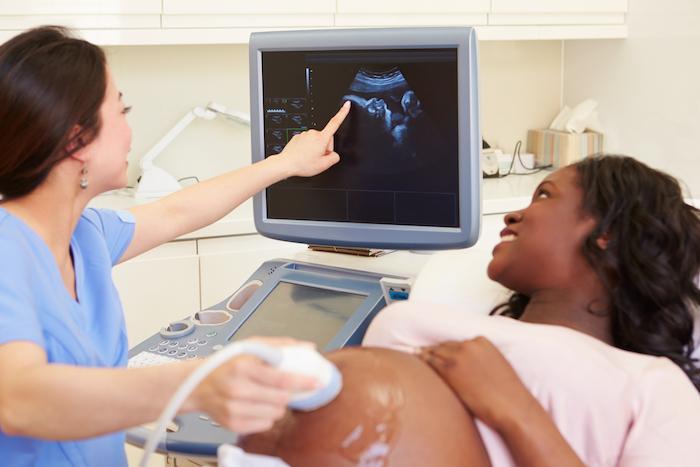
Expecting a baby? Congratulations! Pregnancy is an exciting time, but it can be stressful, too. From family and friends quick with pregnancy advice to decorating the nursery, being pregnant can quickly become overwhelming. That’s why it’s such good news that you don’t have to do it alone. Pregnancy is the perfect time to spend aContinue reading “The Many Benefits of Good Prenatal Care”
Hot flashes affect two-thirds of women in perimenopause and menopause. These bouts of intense warmth across your face, neck, and chest are often accompanied by perspiration, and they’re considered one of the most bothersome symptoms of menopause. Hormonal changes during menopause trigger hot flashes. It’s a natural biological process, but don’t assume that you haveContinue reading “Handling Hot Flashes in the Heat”
An average menstrual period lasts 2-7 days, with the complete menstrual cycle lasting 21-35 days. Most women don’t look forward to their periods, because they can cause cramps, bloating, mood swings, and more. But a “normal” period can vary greatly from woman to woman. Some women experience painful cramps every month, while others suffer crampsContinue reading “Heavy Periods: Could It Be Endometriosis?”