

What You Need To Know About Mixed Incontinence In Women
Quick Summary Mixed incontinence combines symptoms of stress incontinence and urge incontinence, making it one...
Read MoreLaparoscopy is a minimally invasive procedure that can help diagnose and treat endometriosis during the same surgery. It allows surgeons to identify hidden lesions, remove abnormal tissue, address adhesions, and evaluate the extent of disease throughout the pelvis. Many women experience symptom relief after surgery, and some may see improved fertility outcomes. While endometriosis can return over time, laparoscopy remains an important tool for diagnosis, treatment planning, and long-term management.
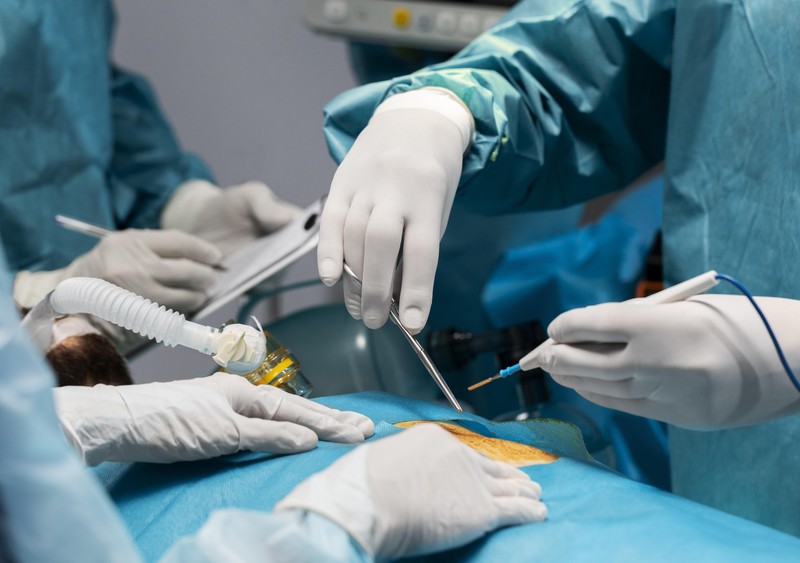
Endometriosis affects millions of women and can cause pain, fertility challenges, and disruptions to daily life. When symptoms persist or imaging does not give a complete picture, doctors may recommend a laparoscopy endometriosis procedure. This minimally invasive surgery helps diagnose the condition and can also treat areas of endometrial-like tissue during the same operation.
Endometriosis develops when tissue that resembles the uterine lining grows in areas outside the uterus. These growths can affect the fallopian tubes, ovaries, bowel, bladder, and other pelvic structures. Diagnosis can sometimes take years because symptoms vary widely. Endometriosis is also often confused with adenomyosis, a related condition in which similar tissue grows into the muscular wall of the uterus.
Many women undergo ultrasounds, pelvic exams, and other evaluations before surgery becomes part of the discussion. A laparoscopy specialist can examine the pelvic cavity directly and identify areas that may not appear on imaging studies. This direct view allows doctors to gather more detailed information about the condition.
During the procedure, the surgeon inserts a thin camera through a small incision near the abdomen. The camera transmits images to a monitor, allowing the surgeon to inspect the pelvic organs closely. This approach offers a clearer understanding of what is happening inside the body.
In some cases, the surgeon may remove a small tissue sample for laboratory testing. This biopsy can help verify the diagnosis and rule out other conditions. The information gathered during surgery helps guide future care decisions.
According to the review published in the National Library of Medicine, laparoscopy remains one of the most reliable methods for identifying endometriosis and evaluating disease extent. Research has shown that direct visualization often reveals lesions that may not be detected through imaging alone.
Endometriosis does not always appear in ways that imaging tests can easily identify. Some lesions are very small, located deep within tissues, or hidden behind pelvic structures. This can make diagnosis more challenging when symptoms persist despite normal imaging results.
A laparoscopy endometriosis procedure allows surgeons to inspect the pelvic cavity directly. This close examination can reveal subtle lesions, deep infiltrating endometriosis, and abnormalities that may not appear on ultrasounds or other scans. Identifying these hidden areas helps create a more complete understanding of the condition.
Finding previously undetected disease can explain ongoing symptoms and help guide future medical decisions. It also allows surgeons to address visible endometriosis during the same procedure when appropriate. This combination of diagnosis and treatment is one reason laparoscopy remains an important tool in endometriosis care.
According to the National Library of Medicine review, some forms of endometriosis can be difficult to diagnose through imaging alone, making direct surgical visualization an important part of assessment in selected patients.
Not all cases of endometriosis look the same. Some women have small lesions with significant symptoms, while others have widespread disease and fewer complaints. Determining the extent of the condition helps shape treatment recommendations.
During laparoscopy for endometriosis, surgeons can inspect multiple pelvic structures. They may identify superficial lesions, deep infiltrating disease, ovarian cysts known as endometriomas, and scar tissue that has developed over time. Each finding adds valuable information to the clinical picture.
The procedure also helps determine where endometriosis has spread. Growths may appear on the ovaries, pelvic walls, bladder, bowel, or ligaments that help stabilize reproductive organs. Knowing the location of the disease can influence future medical and surgical planning.
Doctors often classify endometriosis based on factors such as lesion size, depth, and distribution. While staging does not always predict pain severity, it offers insight into disease progression. This classification can be useful when discussing long-term management options.
The Royal Women's Hospital notes that laparoscopy allows surgeons to assess the severity and location of endometriosis more accurately than non-surgical methods alone. This detailed evaluation helps create a more personalized care plan.
One major advantage of laparoscopy is that diagnosis and treatment can often occur during the same procedure. Rather than scheduling a second surgery, many patients receive treatment immediately after abnormal tissue is identified.
Surgeons may remove visible endometriosis lesions using specialized instruments inserted through small incisions. This process is commonly called excision. The goal is to remove abnormal tissue while preserving healthy surrounding structures whenever possible.
Some surgeons may also use techniques that destroy lesions through heat or other energy sources. The choice of approach depends on factors such as lesion location, disease severity, and surgical goals. Each patient requires an individualized assessment.
Removing lesions can decrease inflammation and reduce irritation affecting pelvic organs. Many women notice meaningful symptom improvement after surgery. Results vary, but lesion removal remains an important part of surgical management.
The Cleveland Clinic explains that endometriosis surgery often focuses on removing abnormal tissue while maintaining reproductive structures whenever possible. This approach can help address symptoms and preserve future fertility opportunities.
Endometriosis frequently leads to the formation of scar tissue and adhesions. Adhesions are bands of tissue that can cause organs to stick together. These changes may contribute to pain and reduced organ mobility.
During an endometriosis laparoscopy, surgeons can identify and release adhesions. This process helps restore normal anatomical relationships between pelvic organs. Improved mobility may reduce discomfort associated with organ movement.
Scar tissue can affect reproductive organs in several ways. Adhesions may alter the position of the ovaries or fallopian tubes, making natural conception more difficult. Surgical correction may improve pelvic function in selected cases.
Addressing adhesions can also relieve pressure on surrounding structures. Some women report improvements in chronic pelvic pain after scar tissue removal. The extent of symptom relief depends on several individual factors.
Laparoscopic techniques allow surgeons to target affected areas with precision. Smaller incisions and enhanced visualization help reduce unnecessary disruption to nearby tissues. This approach makes laparoscopy a valuable option for managing adhesion-related complications.
Fertility concerns often play a major role in endometriosis care. The condition can interfere with reproductive function through inflammation, adhesions, and anatomical distortion. These factors may affect egg release, fertilization, and embryo implantation.
Laparoscopic surgery can help restore normal pelvic anatomy. Removing lesions and adhesions may improve the environment needed for conception. Some women experience improved fertility outcomes following surgical intervention.
The greatest fertility benefits are often seen in women with mild to moderate disease. Individual results depend on age, overall reproductive health, and the extent of endometriosis. Doctors consider these factors when discussing treatment options.
Surgery does not guarantee pregnancy, but it may increase opportunities for natural conception in selected patients. For others, surgical findings can help guide fertility planning and additional reproductive treatments. This information can be valuable when determining next steps.
Research discussed in the National Library of Medicine review also highlights the role of laparoscopic surgery in fertility management for certain patients with endometriosis. Careful patient selection remains an important part of achieving favorable outcomes.
Pain is one of the most common symptoms associated with endometriosis. Women may experience painful periods, pelvic discomfort, pain during intercourse, or pain during bowel movements. These symptoms can affect work, relationships, and overall well-being.
Laparoscopic surgery targets many of the underlying causes of pain. Removing lesions and releasing adhesions may reduce inflammation and irritation throughout the pelvis. This can lead to noticeable symptom improvement for many patients.
Pain relief varies from person to person. Some women experience long-lasting improvement, while others may see symptoms return over time. Ongoing medical care remains an important part of managing this chronic condition.
The Cleveland Clinic also notes that surgery can reduce pain caused by endometriosis, particularly when lesions and scar tissue contribute to symptoms. Individual outcomes depend on disease severity and other health factors.
Recovery after laparoscopy is generally faster than recovery after traditional open surgery. Small incisions reduce tissue trauma and often result in less postoperative discomfort. Many patients return home on the same day as their procedure.
Most women can gradually resume normal activities within a few weeks. Recovery timelines vary based on the complexity of surgery and the amount of tissue removed. Following postoperative instructions helps promote healing.
Patients may experience temporary soreness, bloating, or fatigue during the early recovery period. These symptoms usually improve as healing progresses. Doctors monitor recovery and discuss any concerns during follow-up appointments.
A shorter recovery period allows many women to return to daily routines sooner. This advantage makes laparoscopy an attractive surgical option for many patients. The minimally invasive nature of the procedure contributes to its widespread use.
Laparoscopy plays an important role in both diagnosing and managing endometriosis. It offers valuable insight into disease location, severity, and effects on surrounding organs. The procedure can also address lesions and adhesions that contribute to symptoms.
Although surgery can bring significant relief, endometriosis remains a long-term condition. Some women may require ongoing monitoring, medication, or additional therapies over time. Treatment plans vary based on symptoms, fertility goals, and overall health needs.
For many patients, surgery becomes one part of a broader endometriosis treatment strategy. Combining surgical care with medical management can help address symptoms and improve quality of life. Open communication with a healthcare team helps guide these decisions.
At The Women's Center, we offer comprehensive gynecologic services for women living with endometriosis and related conditions. If you are considering laparoscopy or want to learn more about your options, contact us today and let us help you take the next step toward personalized care.
A laparoscopy endometriosis procedure is a minimally invasive surgery used to diagnose and treat endometriosis. A surgeon inserts a small camera through tiny incisions to examine the pelvic organs and identify abnormal tissue. During the same procedure, endometriosis lesions and scar tissue can often be removed.
Recovery times vary based on the extent of surgery and individual health factors. Many patients return home the same day and gradually resume normal activities within one to three weeks. Your doctor will give specific instructions based on your procedure and recovery progress.
In some cases, yes. Laparoscopic surgery can remove lesions and adhesions that may interfere with reproductive function. While surgery does not guarantee pregnancy, it may improve fertility outcomes for certain women, especially those with mild to moderate endometriosis.
Endometriosis is a chronic condition, so symptoms and lesions may return after treatment. The likelihood of recurrence varies among individuals and depends on factors such as disease severity and ongoing management. Regular follow-up care can help monitor symptoms and guide future treatment decisions.
Doctors often use medical history, pelvic exams, imaging studies, and symptom evaluation when assessing endometriosis. However, laparoscopy remains one of the most accurate methods because it allows direct visualization of endometriosis lesions inside the pelvis. In some cases, tissue samples can also be collected for laboratory analysis.

Quick Summary Mixed incontinence combines symptoms of stress incontinence and urge incontinence, making it one...
Read More
Quick Summary A mammogram can be performed during pregnancy when there is a medical reason...
Read More
Quick Summary Urinary incontinence can develop from several factors, including pregnancy, childbirth, menopause, weak pelvic...
Read More