

What You Need To Know About Mixed Incontinence In Women
Quick Summary Mixed incontinence combines symptoms of stress incontinence and urge incontinence, making it one...
Read MoreMenopausal symptoms aren’t limited to hot flashes and night sweats. The change of life can also affect your mental state and mood. To better understand why menopause can trigger mental health issues, it’s best to start by getting a better picture of menopause itself. Here at The Women’s Center, we’re dedicated to addressing the mental and physical implications that menopause can bring to your life.
While the average age for the onset of menopause in the United States is 51, it can occur at any time in your 40s or 50s. Menopause is typically confirmed after you’ve gone 12 months without a menstrual period. The process of menopause, including waning estrogen levels, can leave you feeling physically and emotionally spent, which often leads to lowered energy and a number of mental and emotional distresses.
Also referred to as “menopause blues,” the emotional effects of menopause can range from mild irritation to full-blown clinical depression, particularly when left untreated. A couple of different states of depression include:
Your doctor at The Women’s Center may perform an assessment to determine what kind of depression your menopause could be causing.
If menopause is causing severe depression, we may prescribe an antidepressant medication. Low dose contraceptives are also helpful for regulating mood-altering hormones during this period. We may also refer you to a mental health professional, depending on the severity of your depressive symptoms.
If you’re going through menopause and experiencing depressive symptoms, it may be time to make an appointment with one of our experienced physicians at The Women’s Center. We like to make scheduling easier for you, with six locations in Florida, and a convenient online scheduling option. Take control of your mental health during menopause and contact us today.

Quick Summary Mixed incontinence combines symptoms of stress incontinence and urge incontinence, making it one...
Read More
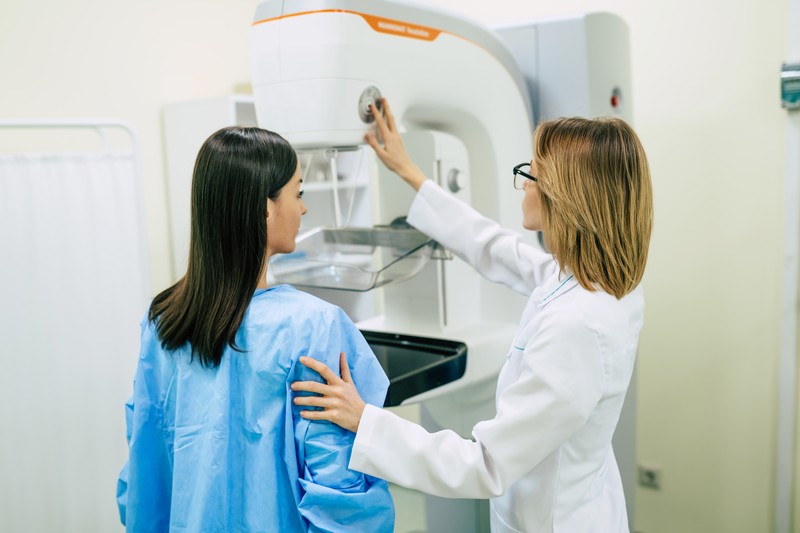
Quick Summary A mammogram can be performed during pregnancy when there is a medical reason...
Read More
Quick Summary Urinary incontinence can develop from several factors, including pregnancy, childbirth, menopause, weak pelvic...
Read More