

What You Need To Know About Mixed Incontinence In Women
Quick Summary Mixed incontinence combines symptoms of stress incontinence and urge incontinence, making it one...
Read MoreA positive HPV test often raises an immediate question: do I need a colposcopy if I have HPV, and what happens next? Human papillomavirus is common, yet only certain strains lead to changes in cervical cells that may progress into cervical cancer. Most infections resolve without intervention, while others require closer evaluation. Medical decisions depend on screening results, risk factors, and clinical findings.
Understanding how these elements guide follow-up care can help you approach the next steps with clarity and make informed decisions about your cervical health.
Human papillomavirus is a group of viruses, some of which affect the cervix. While many HPV infections clear naturally, certain high-risk strains can lead to abnormal cell growth. These cellular changes may develop slowly over time and can eventually progress into cervical cancer if left untreated.
Not every HPV infection leads to complications. In fact, many individuals with HPV never experience symptoms or long-term effects. The concern arises when high-risk strains persist and begin altering cervical cells. This is why screening tests play an important role in identifying early changes before they advance further.
When HPV is detected, the next step is not always immediate intervention. Instead, clinicians evaluate the overall context, including age, prior screening history, and the presence of abnormal cells.
The answer to the question, do I need a colposcopy if I have HPV, depends on several clinical factors rather than the HPV result alone. A positive test indicates the presence of the virus, but it does not confirm abnormal tissue or cancer.
Healthcare professionals consider the type of HPV strain detected. High-risk strains, particularly those linked to cervical cancer, are more likely to lead to further evaluation. If screening tests also show abnormal cervical cells, a colposcopy is often recommended to examine those changes more closely.
In some cases, especially among younger individuals, monitoring may be preferred instead of immediate procedures. This approach reflects the likelihood of the body clearing the virus naturally over time.
A colposcopy is typically advised when screening results suggest that abnormal cells may be present. This recommendation is based on a combination of findings rather than a single test result.
If a Pap test identifies atypical cells or dysplasia, further examination becomes necessary. A positive HPV test combined with these findings often leads to colposcopy. Persistent HPV infection over time may also prompt this step.
Medical history plays a role as well. Individuals with a history of abnormal screenings, prior cervical procedures, or certain risk factors may be more likely to undergo colposcopy earlier in the evaluation process.
Symptoms can also influence the decision. Irregular bleeding, including bleeding unrelated to heavy periods, or discomfort during intercourse may prompt further investigation of the cervix.
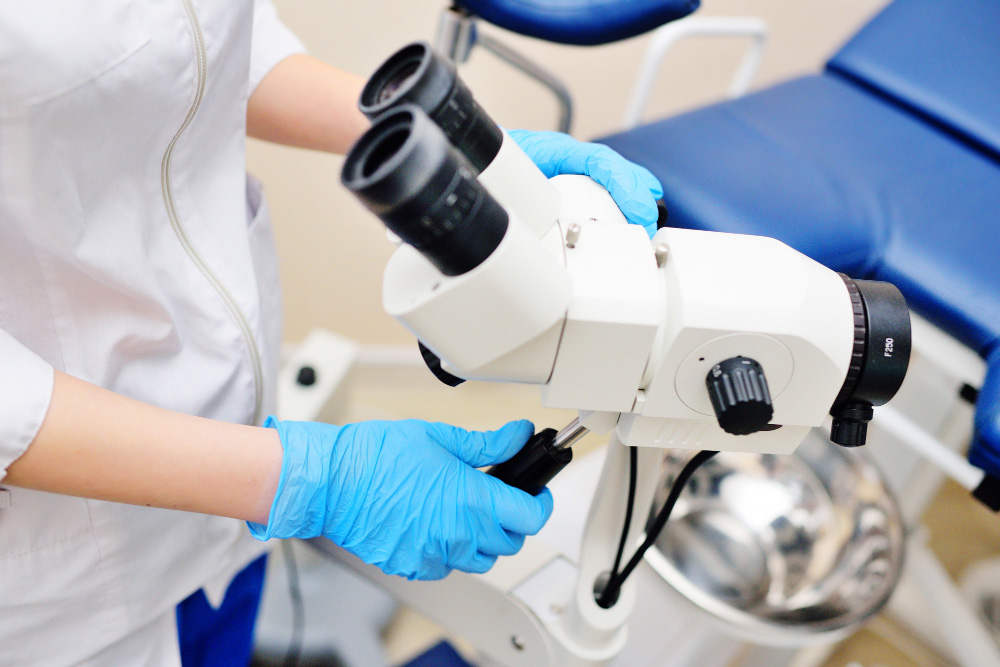
A colposcopy is a minimally invasive procedure performed in a clinical setting. It allows a colposcopy specialist to examine the cervix under magnification for signs of abnormal tissue.
The procedure begins with the patient lying on an exam table, similar to a routine pelvic exam. A speculum is gently inserted to allow clear visualization of the cervix. A solution is applied to highlight areas that may appear abnormal.
The colposcope itself remains outside the body. It uses light and magnification to create a detailed view of cervical tissue. If areas of concern are identified, small tissue samples may be taken for further evaluation.
The entire process usually takes a short amount of time and does not require anesthesia in most cases.
A common concern is, does a colposcopy hurt? Most patients describe the experience as similar to a Pap test, with mild discomfort rather than pain.
The insertion of the speculum may cause pressure, and the application of the solution may create a brief sensation. If a biopsy is performed, some individuals feel a slight pinching or cramping sensation.
After the procedure, mild cramping or light spotting may occur. These effects usually resolve within a few days. Over-the-counter pain relief can help manage discomfort if needed.
Avoiding certain activities, such as vaginal intercourse, for a short period may be recommended to reduce the risk of irritation or infection.
Colposcopy is a valuable diagnostic tool, but its accuracy can vary depending on the situation. It is particularly effective in identifying more advanced or significant abnormalities.
Studies have shown that colposcopy can detect serious precancerous conditions with high accuracy. However, its ability to identify less severe changes may be more limited.
This is why biopsy plays an important role. Tissue samples allow for laboratory analysis, which confirms whether abnormal cells are present and determines their severity.
In many cases, colposcopy and biopsy work together to form a clear diagnosis.
Not every HPV diagnosis leads directly to colposcopy. In certain cases, alternative approaches may be considered based on risk level and clinical findings.
Repeat HPV testing may be recommended after a period of time to see if the infection has cleared. A follow-up Pap test can help assess changes in cervical cells.
HPV genotyping may identify specific high-risk strains, which can influence the next steps in evaluation. Visual inspection techniques may also be used in some settings to assess cervical tissue.
Clinical observation remains an option for individuals with low-risk findings. This approach involves regular monitoring rather than immediate intervention.
Preparation for a colposcopy is simple but important for accurate examination. Scheduling the procedure outside of the menstrual period allows for better visualization of the cervix.
Avoiding vaginal medications, creams, or intercourse for a short period before the procedure may be recommended. These steps help maintain a clear view of cervical tissue during the exam.
Discussing any concerns with your healthcare provider before the procedure can also help you feel more comfortable. Understanding what to expect often reduces anxiety.
After a colposcopy, most individuals can return to normal activities the same day. Mild cramping or spotting may occur, especially if a biopsy was performed.
Results from biopsy samples may take several days to become available. These results determine the next steps in care, which may include monitoring, treatment, or further testing.
If abnormal cells are identified, treatment may focus on removing or managing those changes before they progress. Early detection allows for more targeted and effective care.
HPV-related changes often develop over time, which creates an opportunity to identify abnormal cells before they progress into cervical cancer. Early evaluation allows doctors to examine subtle cellular changes that may not cause symptoms but still require attention. When these changes are detected at an early stage, treatment options are often simpler and more focused on preventing further development.
Regular screening, combined with timely follow-up after abnormal results, helps create a clear path for evaluation. Understanding when a colposcopy is recommended can reduce delays and allow for quicker clarification of test findings.
Although many HPV infections clear on their own, persistent infections may continue to affect cervical cells. Tracking these changes over time gives a more complete view of potential risks and helps guide appropriate next steps in care.
At The Women’s Center, we guide you through each step after an HPV diagnosis with clarity and care. We review your results, explain if a colposcopy is needed, and perform detailed evaluations when required.
If you have questions about symptoms, testing, or next steps, we invite you to schedule a visit with us so we can help you move forward with confidence and informed care.

Quick Summary Mixed incontinence combines symptoms of stress incontinence and urge incontinence, making it one...
Read More
Quick Summary A mammogram can be performed during pregnancy when there is a medical reason...
Read More
Quick Summary Urinary incontinence can develop from several factors, including pregnancy, childbirth, menopause, weak pelvic...
Read More