

What You Need To Know About Mixed Incontinence In Women
Quick Summary Mixed incontinence combines symptoms of stress incontinence and urge incontinence, making it one...
Read MoreA colposcopy gives a closer look at cervical cells, but the period that follows often raises more questions than the procedure itself. Understanding colposcopy after care helps you recognize normal healing, manage mild discomfort, and identify signs that need medical attention. Recovery can vary depending on whether a biopsy was done, yet most people return to daily routines quickly.

Knowing what to expect at home allows you to move through this phase with clarity and confidence, while staying aware of changes that may need follow-up.
Most people feel well enough to leave the clinic shortly after the procedure, especially when guided by an experienced colposcopy specialist. If no biopsy was performed, recovery tends to be minimal. You may notice slight sensitivity, but it often fades within a day.
If a biopsy was taken, the cervix needs time to heal. Light spotting or dark discharge can appear within the first few days. This discharge may look unusual, sometimes brown or black, due to solutions used during the procedure.
These early changes are part of normal healing. Rest is not always required, but listening to your body can help you adjust activity levels if needed.
During the first few days, mild symptoms are expected. These may include light cramping, similar to menstrual discomfort, and minimal vaginal bleeding.
Some people also experience a watery or dark discharge. This is often linked to healing tissue and should gradually decrease.
If you have wondered, does a colposcopy hurt, the answer varies. The procedure itself may cause brief discomfort, especially during a biopsy. Afterward, most symptoms remain mild and manageable without strong medication.
Keeping track of how your body responds can help you distinguish between normal recovery and changes that may require attention.
A biopsy adds a layer to recovery because a small sample of cervical tissue has been removed. Healing may take a few days longer compared to a colposcopy without biopsy.
Spotting may continue for several days, and discharge can persist during this time. You may also notice mild cramping, which usually improves within a short period.
The cervix heals gradually, so giving it time to recover helps reduce irritation. Simple steps, such as avoiding unnecessary strain, can make this phase smoother.
Most daily activities can resume shortly after a colposcopy. You can shower or bathe the same day unless advised otherwise.
If no biopsy was performed, you may return to normal routines, including sexual activity, without delay. However, if a biopsy was done, waiting a few days before vaginal intercourse allows the cervix to heal.
Work, light exercise, and routine tasks usually do not need to pause. If you feel discomfort, adjusting your pace for a day or two can help.
Mild discomfort can be managed with simple measures. Over-the-counter pain relief may help ease cramping if needed.
Using sanitary pads instead of tampons can help maintain hygiene during light bleeding or discharge. Some individuals prefer panty liners during this phase for comfort.
Wearing breathable clothing and staying hydrated may also help you feel more at ease. These small adjustments can make recovery more comfortable without disrupting your routine.
While most activities remain safe, a few precautions can help prevent irritation or infection.
After a biopsy, avoiding vaginal penetration for a few days allows the cervix to heal. This includes sexual activity and the use of tampons or menstrual cups unless advised otherwise.
Heavy physical strain may also increase discomfort. While regular movement is fine, intense workouts can wait until symptoms settle.
These temporary adjustments allow your body to recover without added stress.
Discharge after a colposcopy can vary in color and consistency. It may appear dark, brown, or even slightly black due to substances used during the procedure.
This type of discharge usually decreases over several days. It should not have a strong or unpleasant odor.
If the discharge becomes heavy, changes color significantly, or develops a foul smell, it may indicate infection and should be evaluated.
While complications are uncommon, it is important to recognize warning signs.
Heavy bleeding that resembles a menstrual flow, fever, chills, or severe lower abdominal pain should not be ignored. Unusual discharge with a strong odor may also signal infection.
If any of these symptoms appear, contacting a healthcare provider helps address the issue early. Paying attention to these signs allows timely care and prevents further complications.
A colposcopy can be performed during pregnancy when needed. It does not affect fertility or future pregnancies.
However, if a biopsy is performed, bleeding may be slightly more noticeable due to increased blood flow to the cervix during pregnancy. In some cases, a biopsy may be postponed unless clearly necessary.
Recovery follows a similar pattern, though close monitoring may be recommended based on individual circumstances.
After a colposcopy, results guide the next stage of care. If no abnormal cells are found, routine screening may continue.
If abnormal cells are detected, further evaluation or treatment may be advised. In some cases, the biopsy itself removes the affected cells, and no additional treatment is required.
In other situations, procedures such as cryotherapy, loop excision, or a cone biopsy may be discussed. These approaches aim to remove abnormal cells and reduce the risk of cervical cancer.
Even after treatment, follow-up appointments remain important. Regular Pap tests and HPV testing help monitor cervical health over time.
Abnormal cells can return, so ongoing observation helps detect changes early. Your healthcare provider will guide you on how often these tests should be scheduled.
Staying consistent with follow-up care helps maintain long-term cervical health and reduces the risk of complications.
Your care does not stop after the procedure, and neither do we. Connect with us at The Women’s Center to review your results, plan your next steps, and stay on track with your cervical health.
Schedule your appointment today and let us walk you through every stage with clarity, attention, and a plan tailored to you.
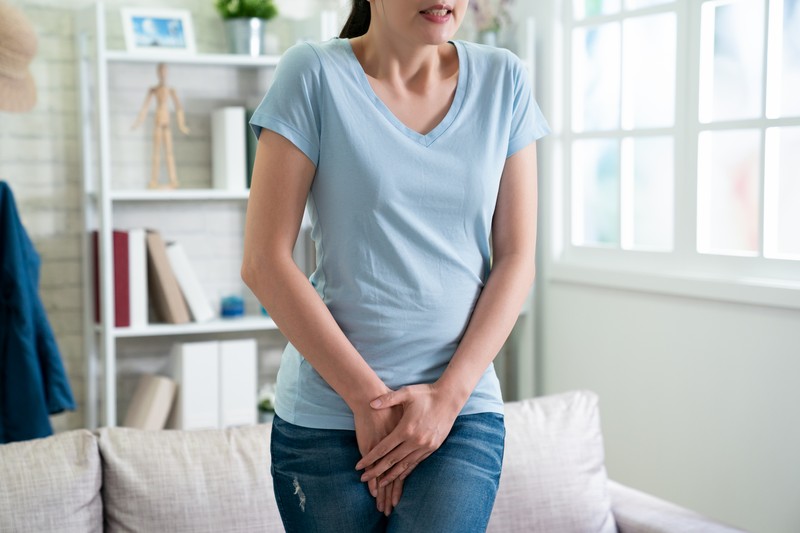
Quick Summary Mixed incontinence combines symptoms of stress incontinence and urge incontinence, making it one...
Read More
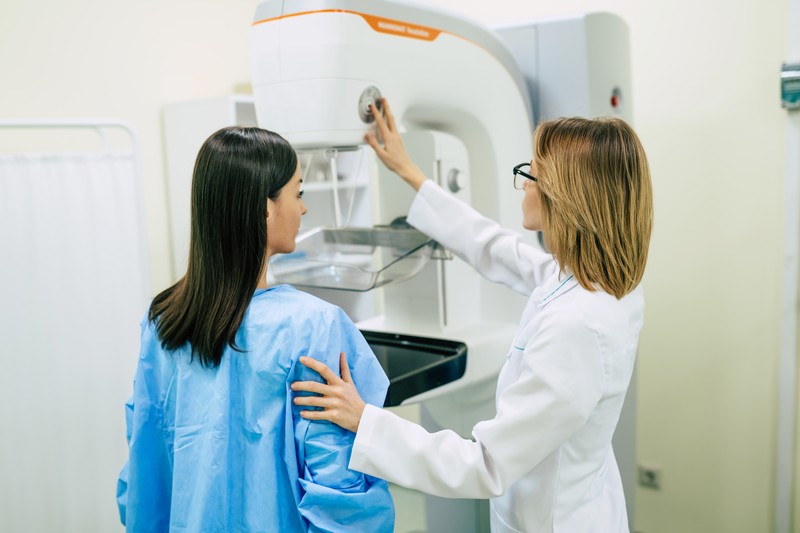
Quick Summary A mammogram can be performed during pregnancy when there is a medical reason...
Read More
Quick Summary Urinary incontinence can develop from several factors, including pregnancy, childbirth, menopause, weak pelvic...
Read More